Preparedness for Risk Management and Vulnerability Reduction
for Indigenous Peoples in the North of Salta Province (Departments of Rivvia, San Martín and Orán), Argentina...
CISP has been active in Argentina since 1988, establishing itself as a key actor in community empowerment, risk management, environmental protection, and humanitarian assistance. Throughout its history, the organization has maintained a significant territorial presence, coordinating actions with indigenous communities, state institutions, and local organizations to drive sustainable human development processes.
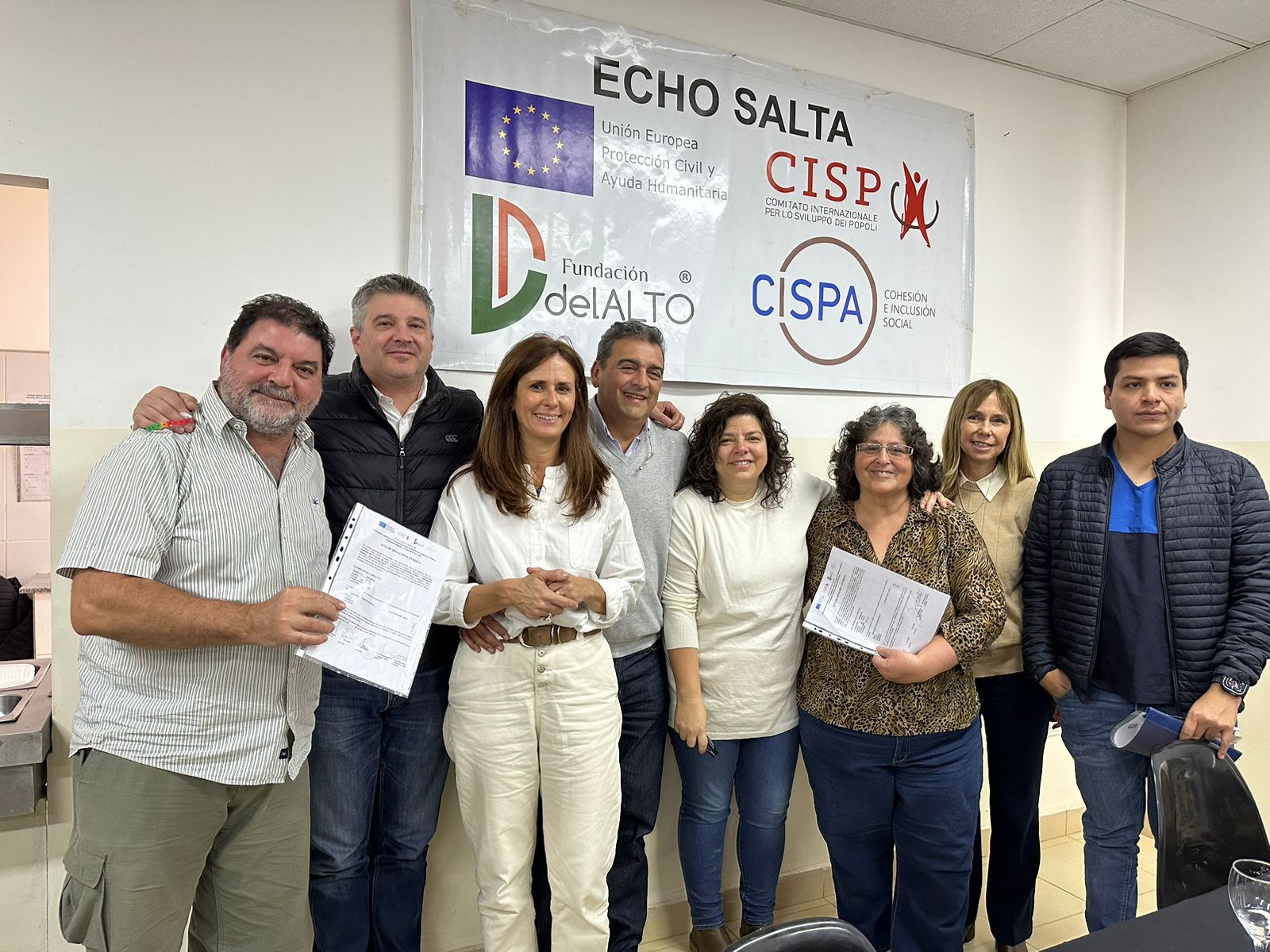
Between 1988 and 1996, CISP focused its efforts on environmental education, waste management, and administrative institutional strengthening. In 2002, it returned to the country to support the recovery of the socio-productive fabric following the economic crisis. Since 2020, it permanently resumed its operations alongside Fundación delAlto and Fundación CISPA, with support from ECHO – European Civil Protection and Humanitarian Aid Operations of the European Commission, addressing food emergencies within indigenous communities in northern Argentina.
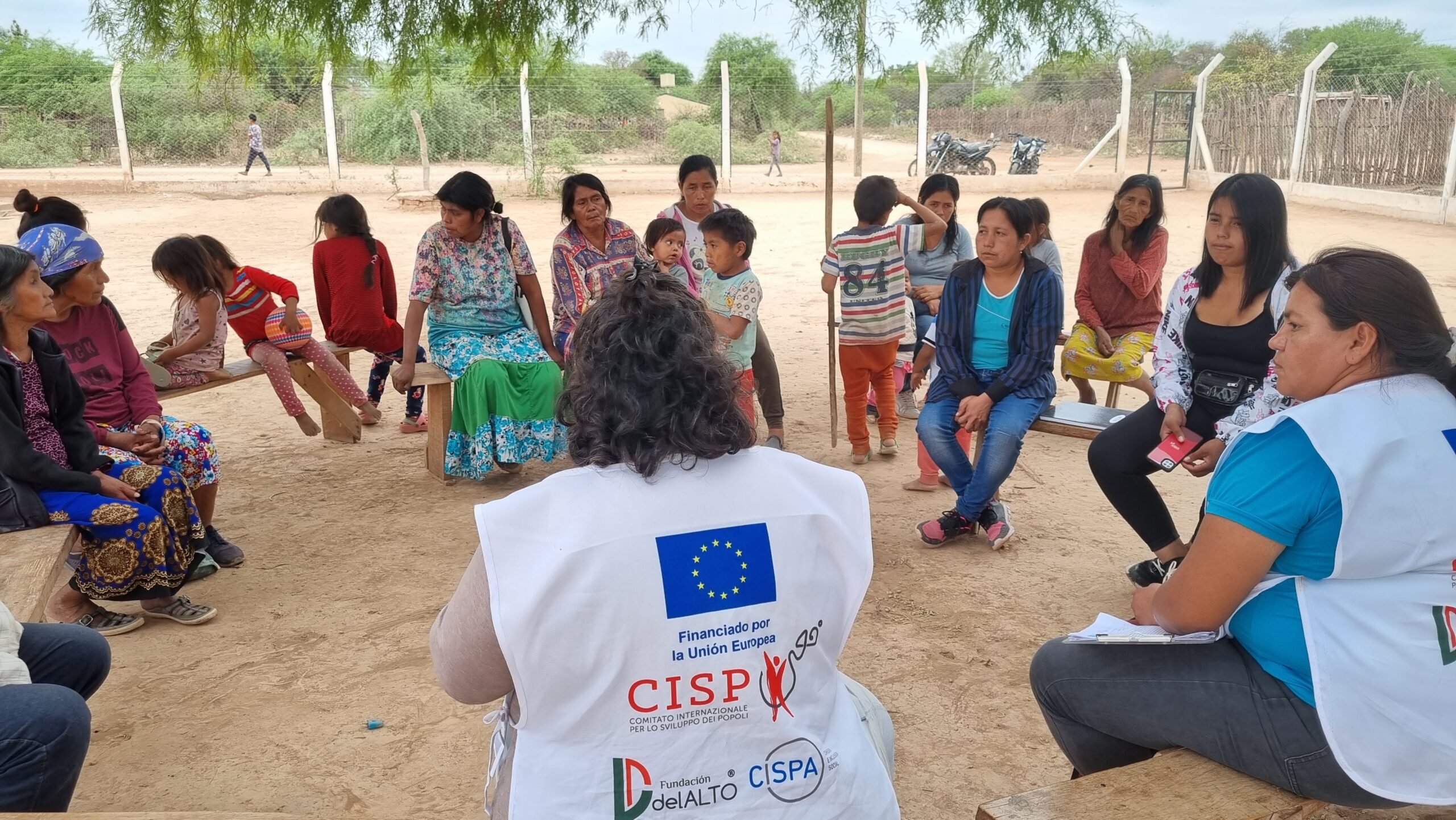
Currently, CISP implements initiatives aimed at increasing institutional and community resilience to extreme climate events and socio-environmental hazards, particularly in the Bermejo River basin within the Gran Chaco region. Field operations cover the provinces of Salta, Chaco, and Formosa, reaching:
All interventions incorporate an intercultural, gender, and child-rights-based approach, promoting environmental protection, community organization, and dialogue with public entities to build resilient territories.
CISP delivers humanitarian responses to socio-environmental emergencies that particularly affect indigenous communities in northern Argentina. Actions include:
A differential approach ensures targeted assistance for women, children, and indigenous communities, prioritizing dignity, equitable access to services, and the protection of life.
CISP fosters educational processes designed to improve quality of life and strengthen community cohesion. Interventions focus on:
Education is understood as a strategic pillar to enhance autonomy, foster peaceful coexistence, and build community resilience.
As part of its track record, CISP has supported socio-productive recovery and the adoption of sustainable practices. Initiatives aim to:
This approach balances economic and ecological sustainability while respecting the cultural diversity of indigenous communities.
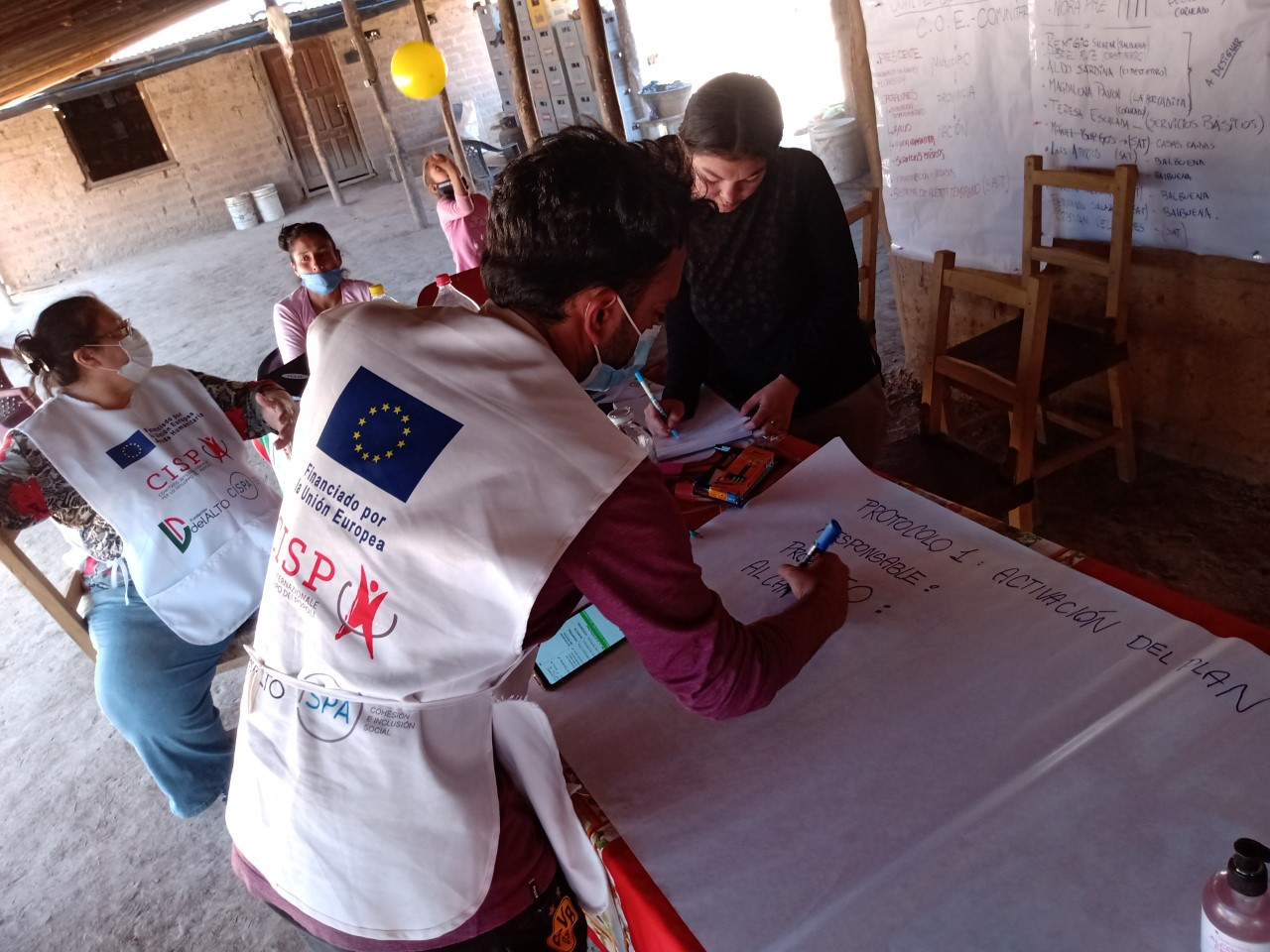
This serves as one of the central pillars of CISP’s action in Argentina. Across the provinces of Salta, Chaco, and Formosa, the organization has built institutional and community capacity to:
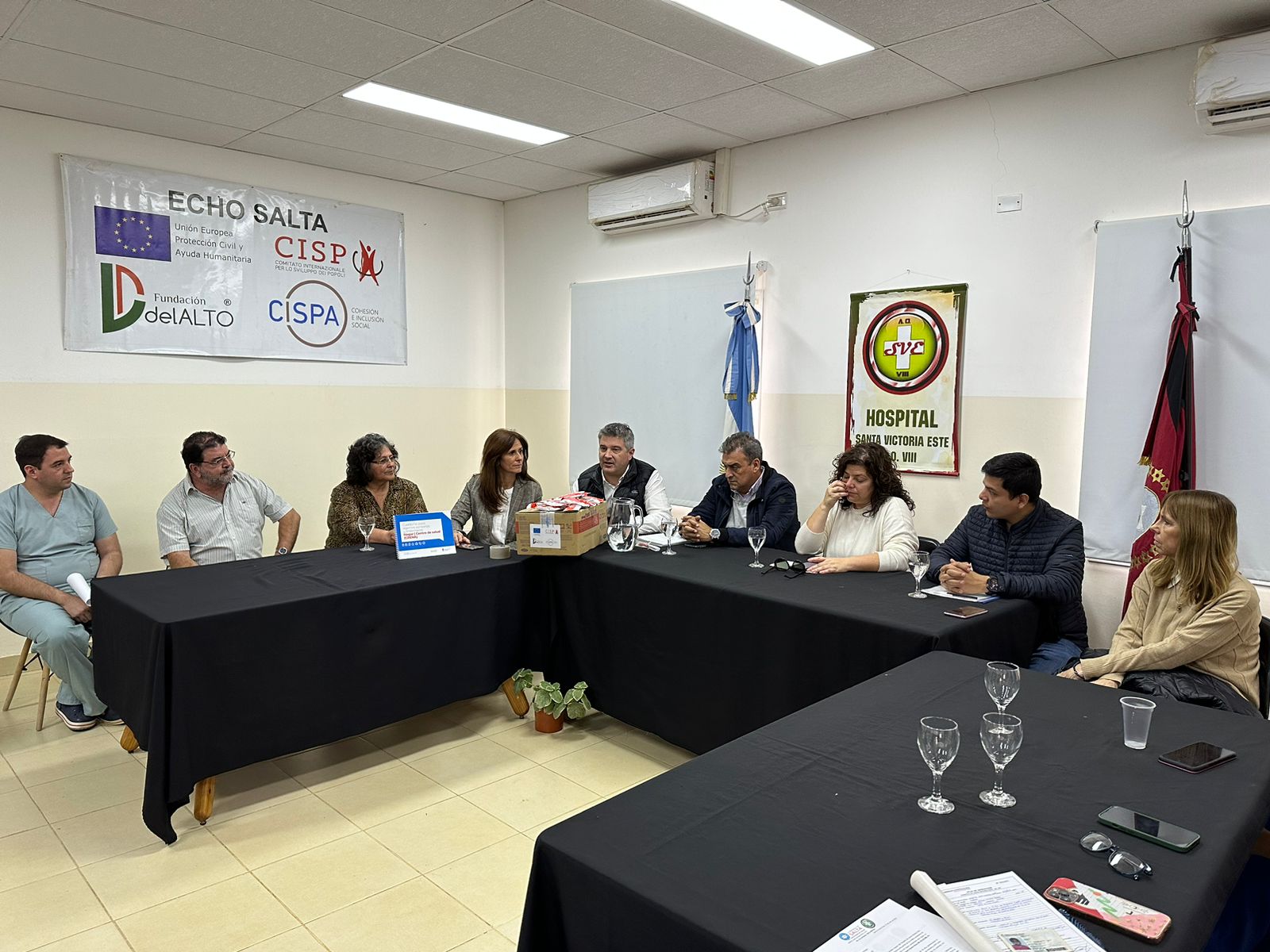
Thanks to this work, 130 indigenous communities and more than 120 institutions are now equipped with tools to anticipate, mitigate, and respond to socio-environmental threats.
CISP promotes institutional and organizational strengthening processes designed to:
Community organization is an essential axis for establishing resilient territories and ensuring sustainable risk management and development processes.
Gender mainstreaming is embedded across all CISP actions in Argentina. Initiatives seek to:
Female leadership is recognized as a fundamental engine for community strengthening.
CISP incorporates a child-rights framework, ensuring that children receive protection, care, and access to essential services. Interventions prioritize:
Argentina – Gallo 164 1ºE – Caba
Tel: +54 9 11 6335 0478
Email: cisp.argentina@cisp-ngo.org
Country Representative: Analía García.




CISP - Sviluppo dei Popoli ETS
FONDAZIONE DI PARTECIPAZIONE
Via Germanico 198 00192 Rome Italy
Tel: +39 06 321 54 98
Fax: +39 06 321 61 63
Email: cisp@cisp-ngo.org
Iscrizione al RUNTS REP. N. 160551
C.F. 97050280581