Ecuador
Share
Attachments
Social
CISP has been operating in Ecuador since 1992, consolidating its role as a key actor in sustainable development, social inclusion, rights protection, and community empowerment. For over three decades, the organization has built a broad and diverse territorial presence, supporting indigenous, Afro-descendant, rural, and urban communities across various regions of the country.
CISP operates in Ecuador through strategic partnerships with public institutions, local governments, grassroots organizations, community collectives, and international bodies. Its intervention model ensures technical support, civic participation, capacity building, and territorial sustainability. The team consists of specialized professionals and is backed by the Regional Directorate for Latin America and the Caribbean.
The organization implements a Management System aligned with international standards of transparency, accountability, and risk management. Furthermore, CISP promotes social innovation practices aimed at improving the living conditions of the most vulnerable populations and strengthening community resilience.
CISP’s Main Areas of Expertise in Ecuador
Comprehensive Humanitarian Assistance and Protection of Vulnerable Populations
Since its arrival in the country, CISP has prioritized accompaniment for individuals and communities affected by poverty, structural exclusion, territorial crises, and human rights violations. Interventions focus on:
- Protecting human life and dignity.
- Improving access to essential services (health, education, water, livelihoods).
- Strengthening historically invisible indigenous and Afro-descendant communities.
A differential approach enables targeted actions for women, children, adolescents, older adults, persons with disabilities, and households in extreme vulnerability, contributing to safe and inclusive environments in both rural and urban contexts.
Education, Human Development, and Capacity Building
Education is a cornerstone of CISP’s work. Projects driven by the organization promote:
- Improved access to and quality of education, particularly in rural and intercultural areas.
- Active learning methodologies, inclusive education, and psychosocial accompaniment.
- Continuous training for teachers, community leaders, and local stakeholders.
CISP has developed initiatives focused on community skills, youth leadership, peaceful coexistence, violence prevention, and active citizenship, working closely with educational institutions and grassroots organizations.
Sustainable Livelihoods, Food Security, and Local Economic Development
In line with the Sustainable Development Goals, CISP promotes sustainable productive models that strengthen family and community economies. Key actions include:
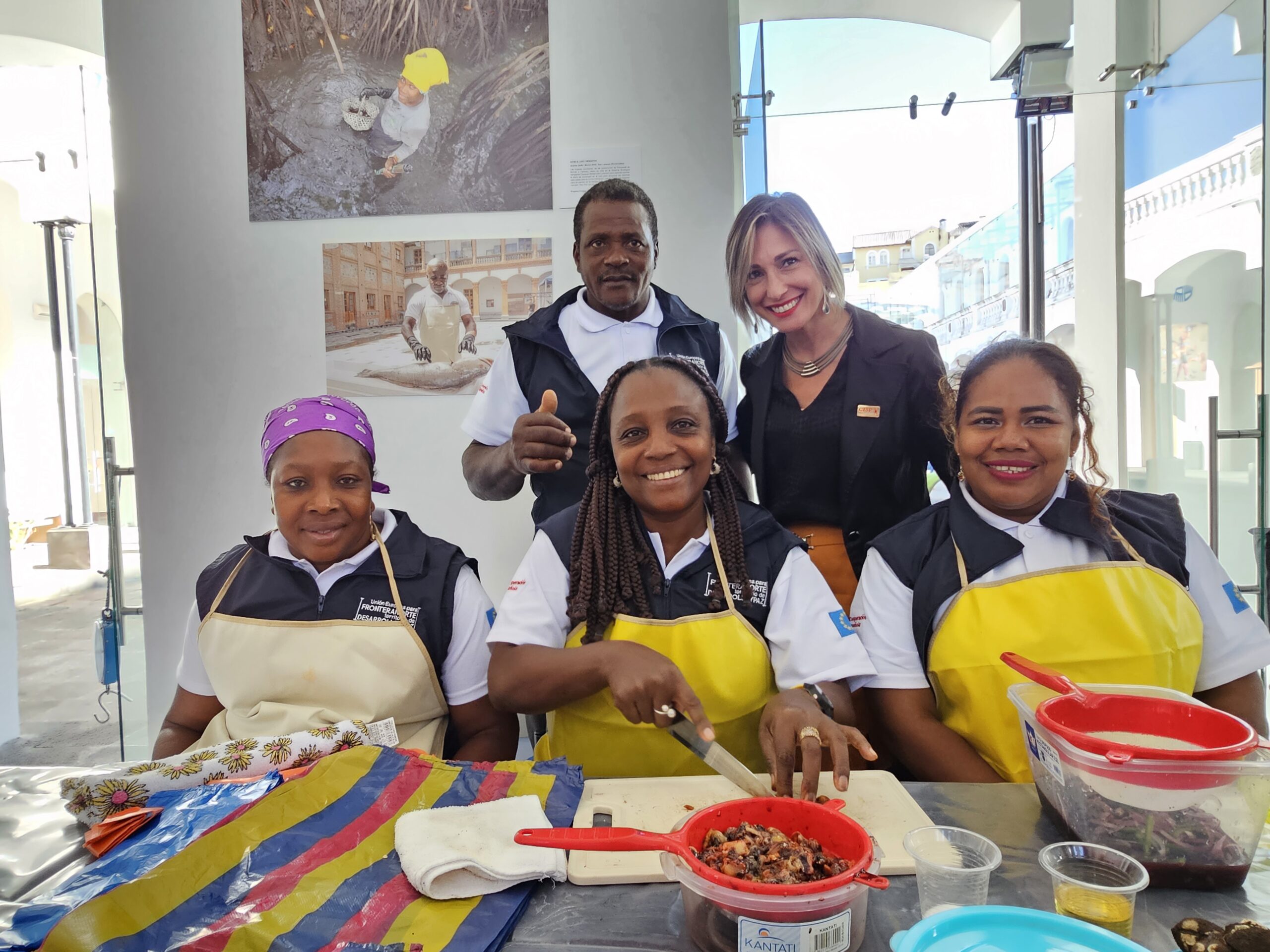
- Sustainable, climate-resilient agriculture. Food security systems with a territorial and intercultural focus.
- Technical training, support for entrepreneurship, and strengthening of local productive chains.
- Organizational strengthening of peasant and indigenous communities.
These processes contribute to increasing incomes and economic autonomy for vulnerable families and communities.
Territorial Governance, Participation, and Community Empowerment
CISP collaborates with social organizations, communities, and local governments to strengthen democratic governance and territorial development processes. Its actions aim to:
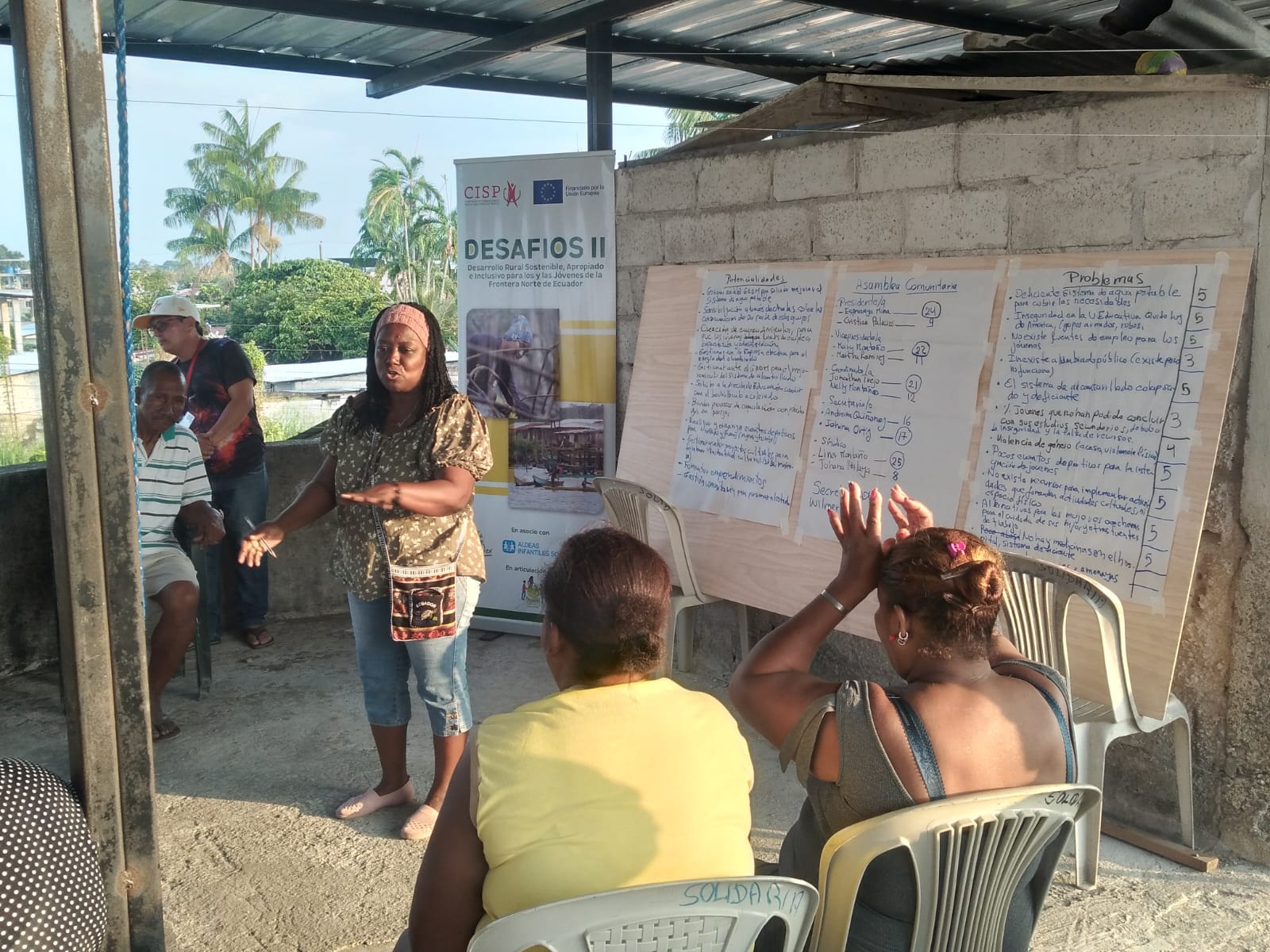
- Drive participatory planning and inclusive territorial management.
- Enhance leadership, organizational, community management, and decision-making capacities.
- Promote the defense of collective and identity rights, especially for indigenous and Afro-descendant peoples.
This has consolidated mechanisms for social dialogue, community cohesion, and civic participation that reinforce local management and process sustainability.
Gender Equality and Women’s Empowerment
Gender equality is a cross-cutting principle across all of CISP’s lines of work in Ecuador. Key focus areas include:
- Promoting women’s economic, social, and political autonomy.
- Preventing and responding to gender-based violence.
- Strengthening women’s networks, community leadership, and safe spaces.
These initiatives seek to transform discriminatory structures and practices, fostering more equitable communities free from violence.
Climate Action, Environmental Sustainability, and Ecosystem Management
CISP carries out interventions aimed at climate change adaptation, biodiversity conservation, and sustainable ecosystem management, including:
- Conservation of forests, páramos, and coastal-marine areas.
- Environmental education and awareness campaigns for communities and local authorities.
These actions enhance territorial resilience and the responsible stewardship of natural resources.
Social Inclusion, Interculturality, and Diversity Management
Adopting a human rights and social justice framework, CISP works to promote the inclusion and active participation of:
- Indigenous communities.
- Afro-descendant populations.
- Low-income rural households.
- Persons with disabilities.
- Vulnerable youth and women.
The objective is to guarantee equal opportunities, service access, community involvement, and the appreciation of cultural diversity as a foundation for sustainable development.
Local Collaborations and Partnerships
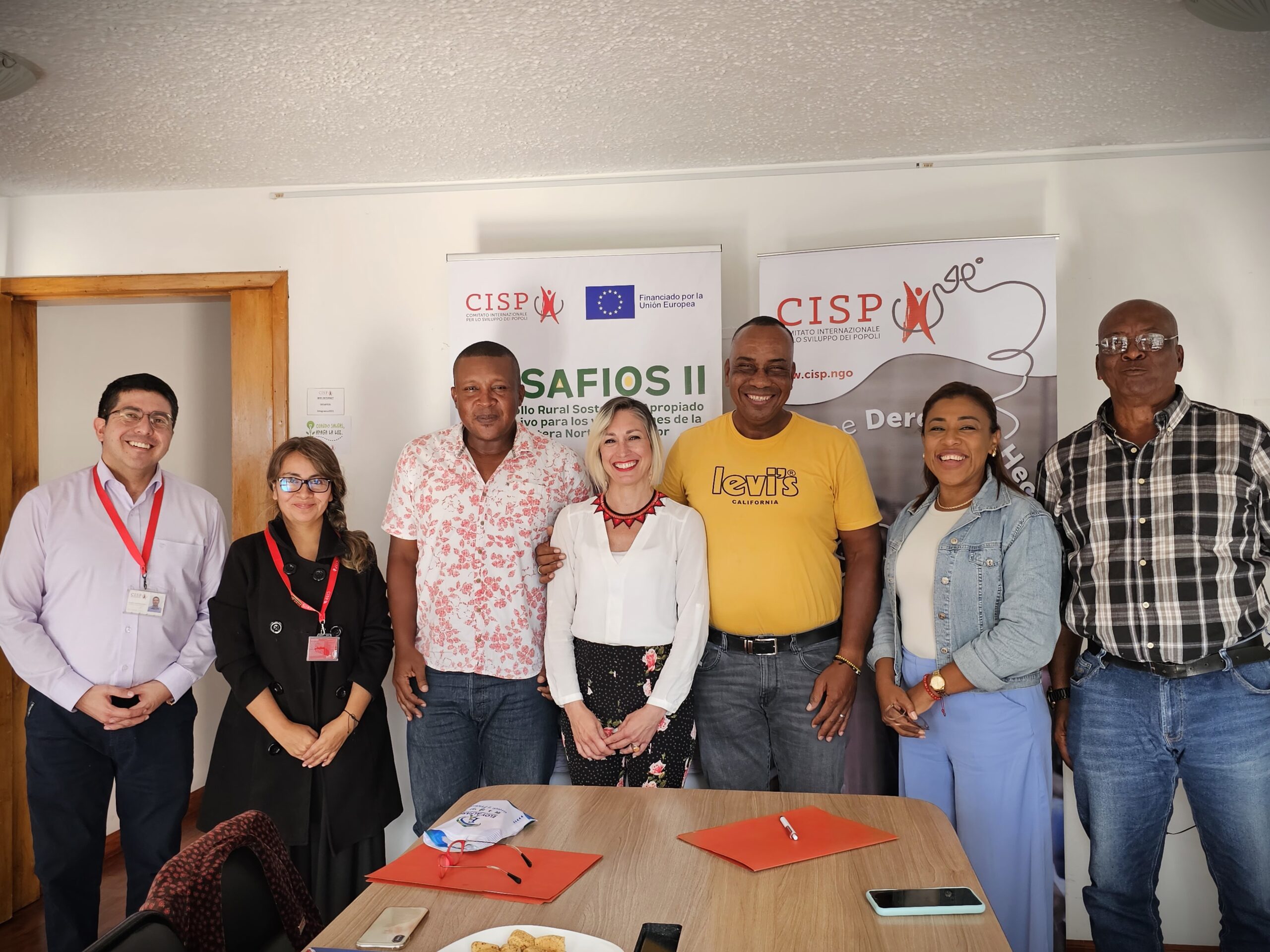
CISP’s work in Ecuador relies on strong partnerships with:
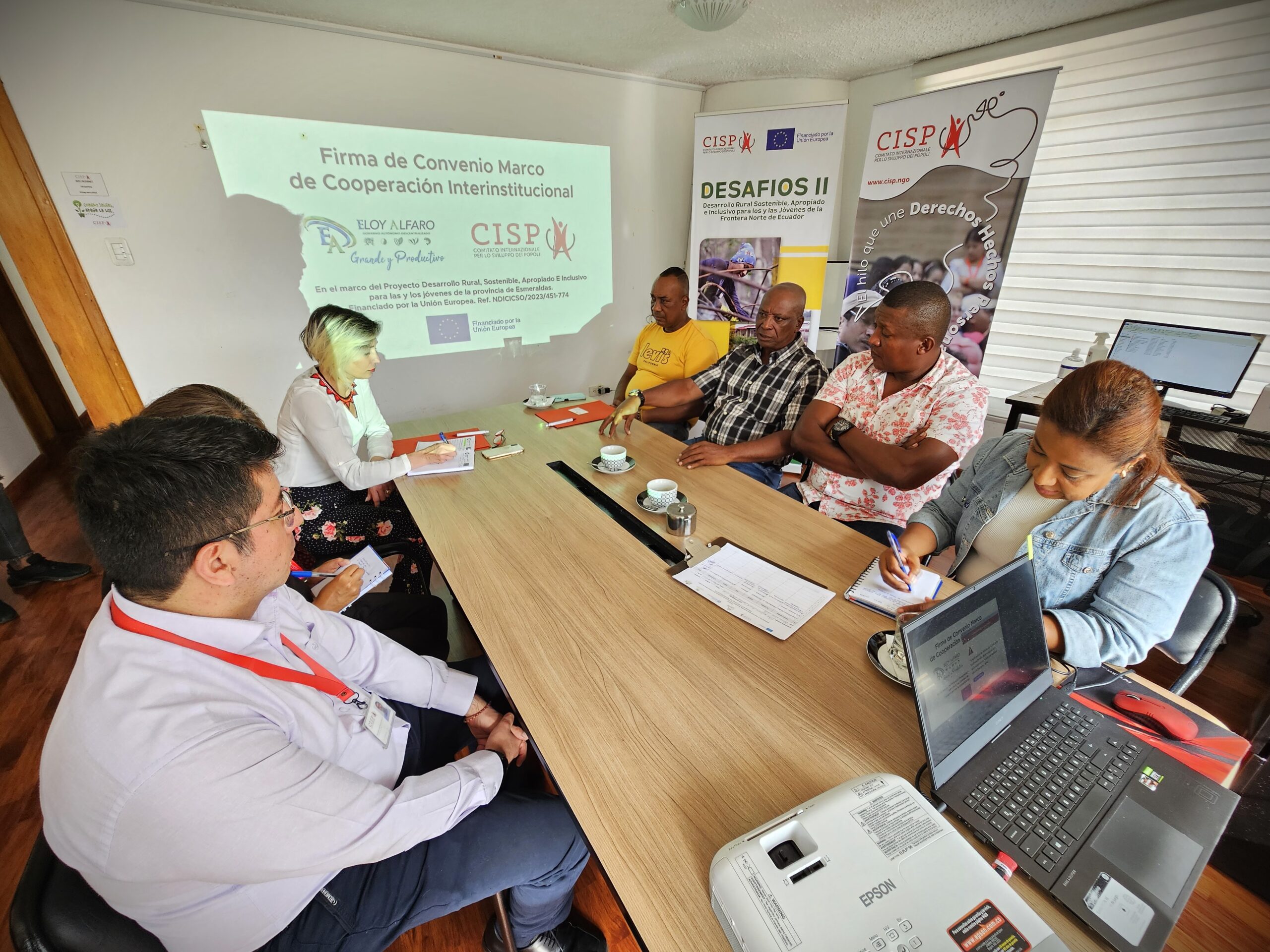
- Local and provincial governments.
- Community and grassroots organizations.
- Educational and training institutions.
- Sectoral state entities.
These synergies build an integrated intervention model grounded in civic participation, cultural diversity, environmental sustainability, and social justice.
Policy Advocacy, Multisectoral Coordination, and Public Agendas
CISP Ecuador recognizes that sustainable development and rights protection require not only community-level action, but also structural changes in regulations, public policies, and institutional frameworks. Therefore, it drives advocacy processes in coordination with social organizations, civic platforms, local authorities, and national state actors.
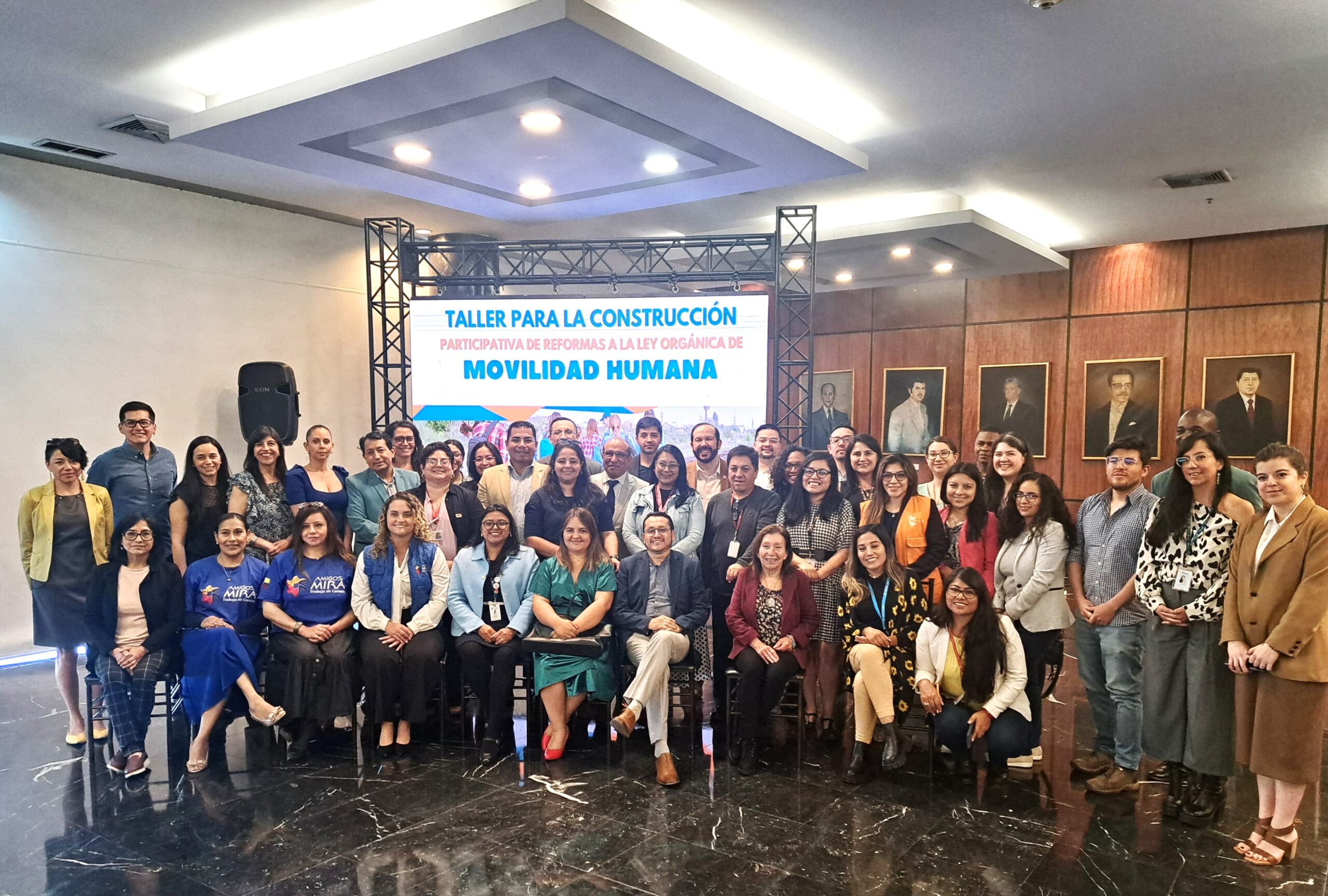
- Advocacy Roundtable on Public Policies for Human Mobility: This space focuses on drafting reform proposals for the Organic Law on Human Mobility (LOMH), presenting technical and legal inputs to the National Assembly and other state bodies, analyzing migration trends and protection risks to guide public policies, and engaging in dialogue with governmental institutions to improve regulatory frameworks and protection mechanisms. CISP’s participation brings technical rigor, a territorial approach, and field experience from the northern border, rural areas, and intercultural settings.
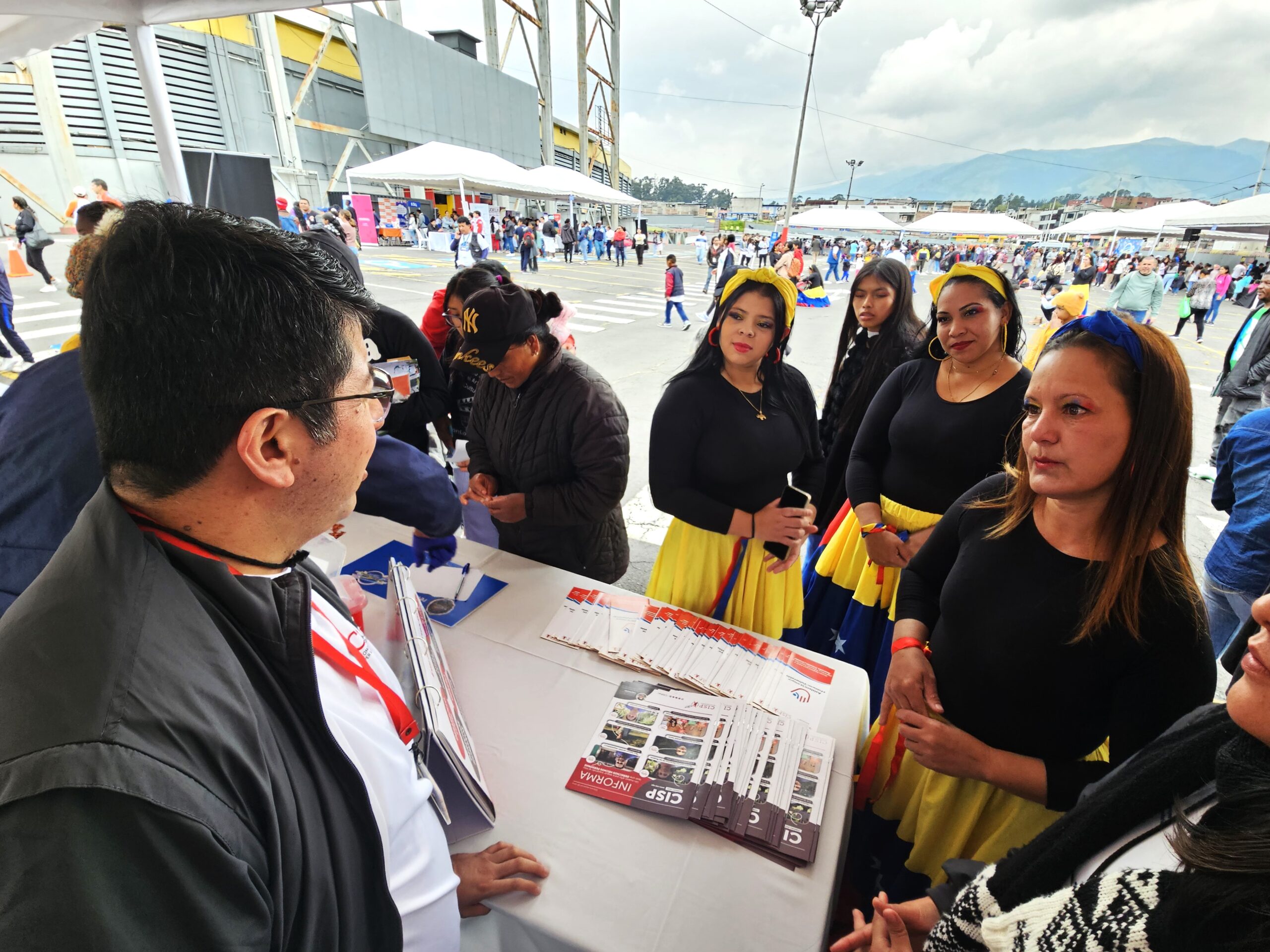
- Permanent Forum on Human Mobility in Ecuador (FPMH-E): CISP coordinates and supports this forum bringing together 21 local and international organizations. The forum coordinates advocacy strategies for human rights and human mobility, promotes public statements, technical analyses, and policy dialogues with the State, builds capacities of community organizations and human rights defenders, and helps forge national consensus agendas for the protection of migrants, refugees, returnees, and internally displaced persons.
- CISP’s Institutional Contributions to Policy Advocacy: CISP Ecuador complements these efforts by conducting technical and legal analyses on human mobility, gender, youth, social inclusion, and protection; assisting local authorities in designing rights-based public policies; systematizing field evidence to inform national reforms and strategies; and training social organizations in advocacy, leadership, and civic participation.
International Cooperation and Strategic Alliances
CISP’s work in Ecuador is supported by a broad and solid network of strategic alliances established at local, provincial, and national levels. These partnerships enhance the impact of interventions and enable comprehensive, rights-based responses.
www.cispalc.org
Relevant data
Advocacy/influence spaces on Human Mobility
0
Families reached in the past year
0
Ongoing projects
0
Main Donors
- European Union
- SDC – Swiss Agency for Development and Cooperation
- SOS Children’s Villages (Aldeas Infantiles SOS)
- Esmeraldas Prefecture
- Pichincha Prefecture
- Red Violeta
- InfoPa’lante Ecuador
- Defensoría del Pueblo
- Eloy Alfaro
- Permanent Forum on Human Mobility in Ecuador
Contacts
Quito Office: Calle Ernesto Noboa Caamaño 186 entre Av. González Suárez y Von Humboldt
Phone: (+593) 260 24 520) – (+593) 99 973 2628
Country Representative : Eduardo Martínez
Gallery

Projects

Comprehensive Assistance to Vulnerable Populations
DESAFÍOS
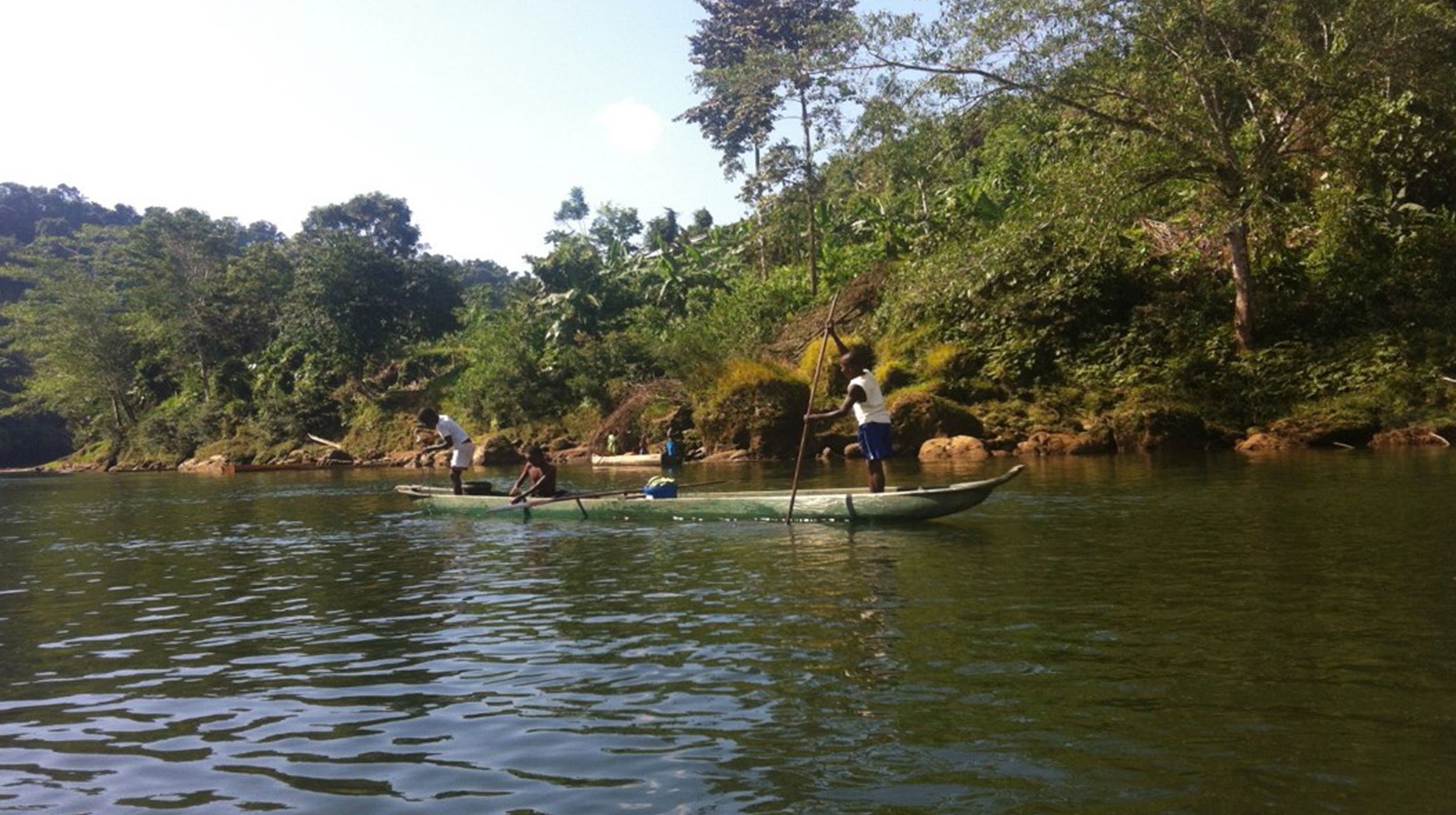
Sustainable and inclusive development for artisanal fishermen in the province of Esmeraldas, northern border of Ecuador

Socio-economic integration and support to migrants from Venezuela in host communities in Ecuador
INTEGRA Programme, Ecuador

Integration of victims in host countries
Joining technical, administrative and financial efforts between the Victims Unit and CISP to contribute to the reparation of Colombian victims abroad
...