Via delle Cascate: Driving Local Jobs and Development
28 April 2025
CISP is pleased to announce the launch of the new and ambitious “Via delle Cascate” project, funded by the Italian Agency for Developmen...
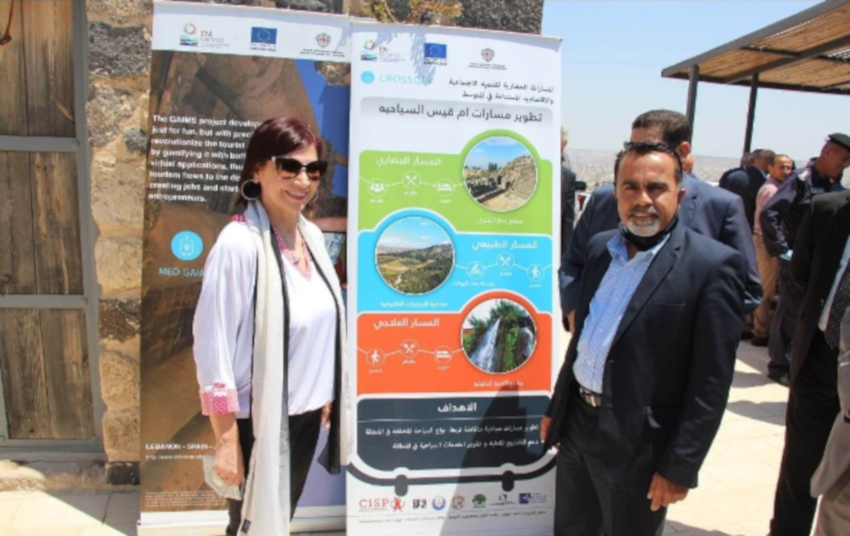
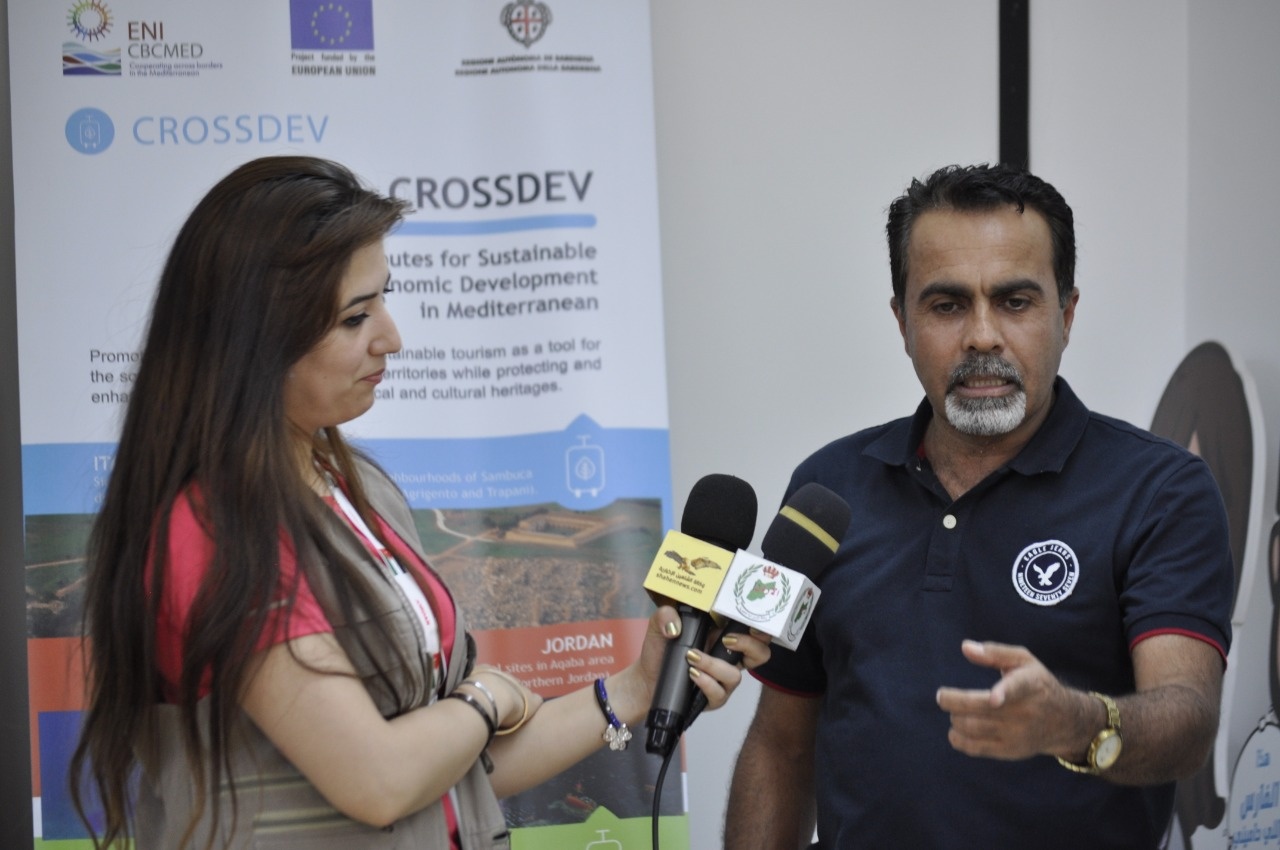
Cultural Routes for Sustainable Social and Economic Development in Mediterranean
Start date
End date
Funded by

Budget
Secondary themes

CROSSDEV aims at promoting sustainable tourism policies and practices as a tool for the socio-economic development of countries in order to protect and enhance their environmental, historical and cultural heritage.
Funded by the European Union’s ENI CBC MED programme, CROSSDEV aims to increase the competitiveness and attractiveness of lesser-known tourist destinations by adopting and developing the experience of two Council of Europe Cultural Routes – The Phoenicians’ Route and the Iter Vitis Route – in Italy, Lebanon, Palestine and Jordan.
Every year tens of thousands of young people, often university graduates, move from the south to the north in search of work. Every year hundreds of small businesses, often with a history of hundreds of years behind them and unique and ancient traditions, close down due to a lack of customers or the voracity of mass industry.
As a result, entire areas of the Mediterranean are in danger of being completely abandoned and of losing their immense natural, cultural and historical heritage.
By combining the growing global interest in sustainable tourism with the inestimable value of the heritage of some Mediterranean areas, CROSSDEV gives new hope of well-being to entire communities and offers the opportunity of quality travel to environmentally conscious tourists by transforming rural and less-travelled areas into new sustainable tourism routes and by working closely with the inhabitants to breathe new life into their traditions and cultural heritage so that these become an asset for their own socio-economic development.
Overall objective
To contribute to the social and economic development of the Mediterranean by strengthening and developing sustainable tourism practices.
Specific objectives
Increased attractiveness of lesser known tourist destinations
Outputs:
Increased diversification of tourism offered through the promotion of local and regional resources and off-season tourism
Outputs:










CISP - Sviluppo dei Popoli ETS
FONDAZIONE DI PARTECIPAZIONE
Via Germanico 198 00192 Rome Italy
Tel: +39 06 321 54 98
Fax: +39 06 321 61 63
Email: cisp@cisp-ngo.org
Iscrizione al RUNTS REP. N. 160551
C.F. 97050280581