Five Questions for Laura Carraro: Turning Challenges into Opportunities
22 May 2025
Laura Carraro, Director of the Africa Geographic Area, is answering #5questions today as we continue our journey to get to know the individuals who ...
Reverse the Acute Humanitarian Crises in Tigray
Start date
End date
Funded by
Budget
Secondary themes
Trócaire
CST
ECC-SDCOAd
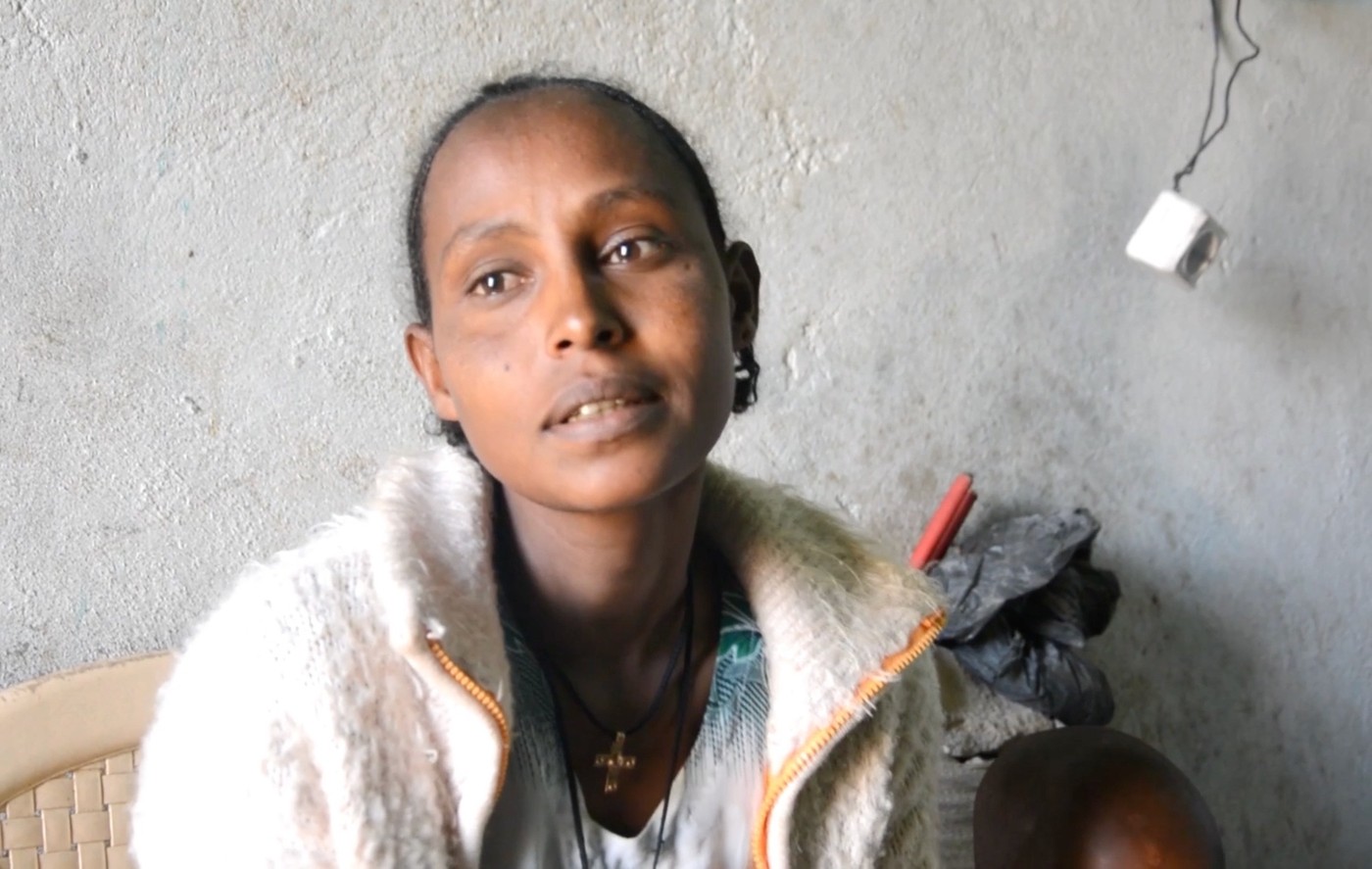
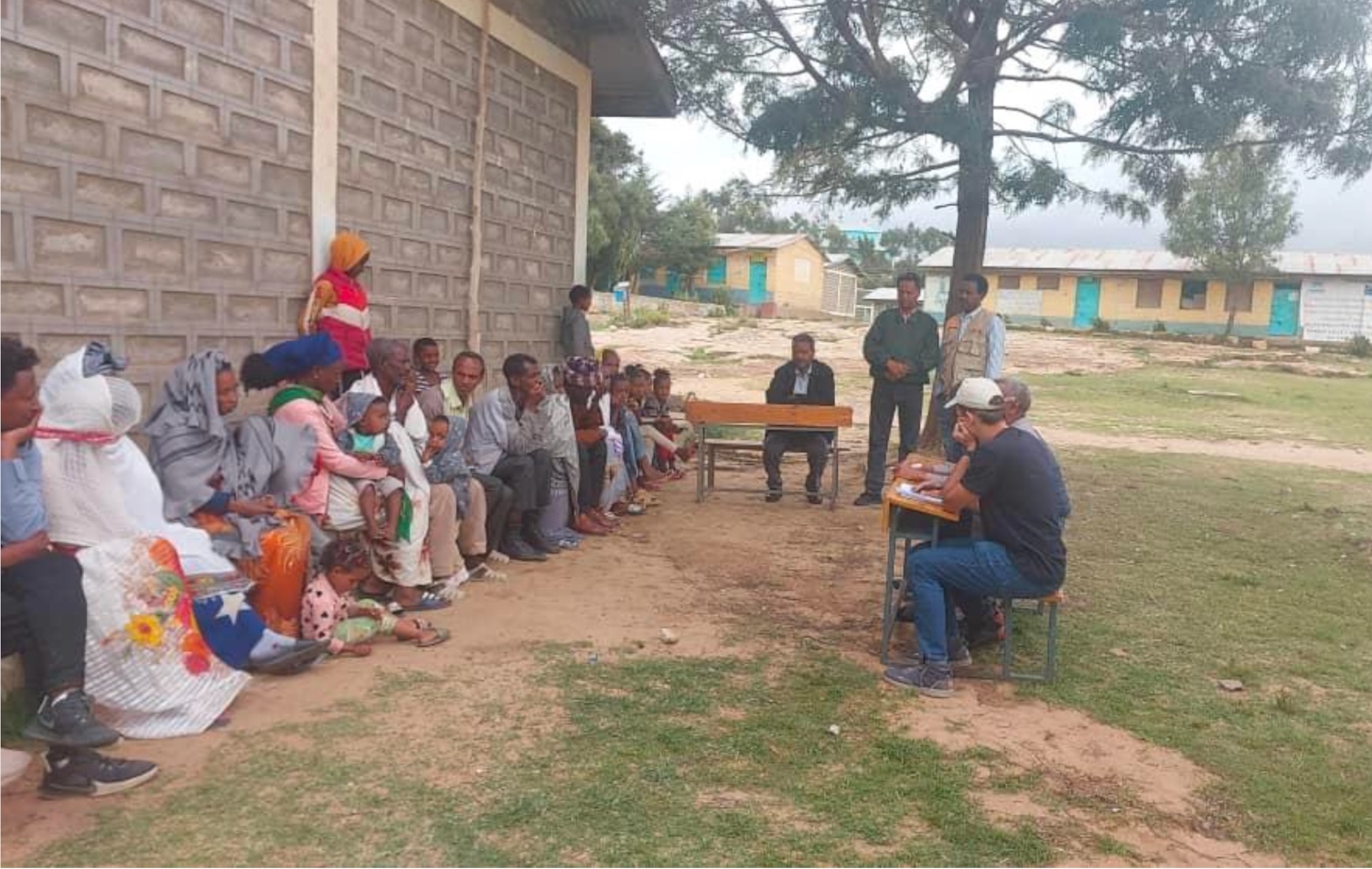
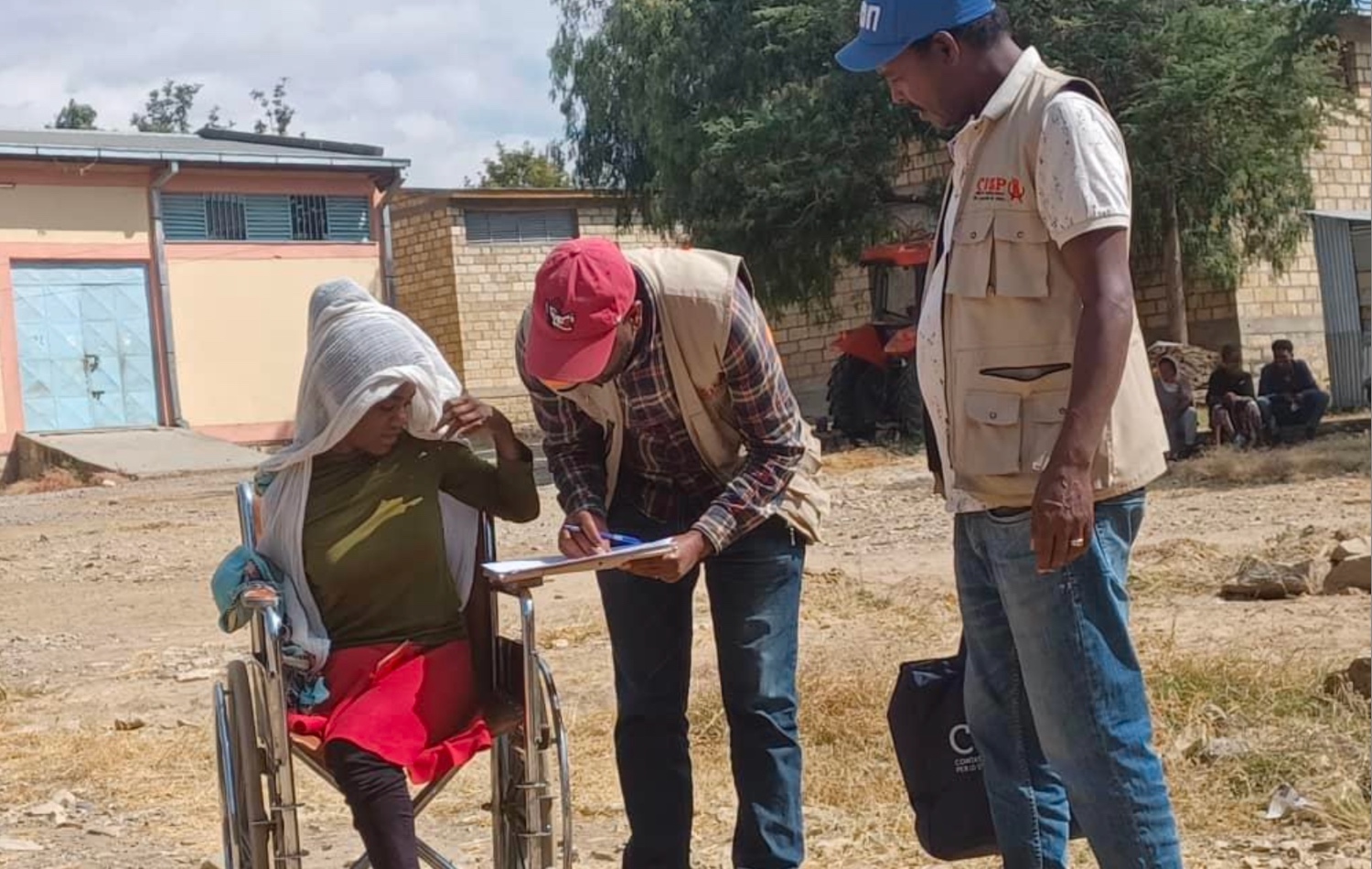
The action focuses on emergency response in the Tigray region. The main purpose of this project is to support 50,000+ internally displaced persons (IDPs) and local communities, addressing their immediate needs through an integrated multisectoral approach. Based on an independent assessment report and information from secondary sources, the project prioritized four sectors: cash support (Multipurpose Cash Transfer), Water, Sanitation and Hygiene (WASH), Protection, and the distribution of Non-Food Items (NFI) to address the crises.
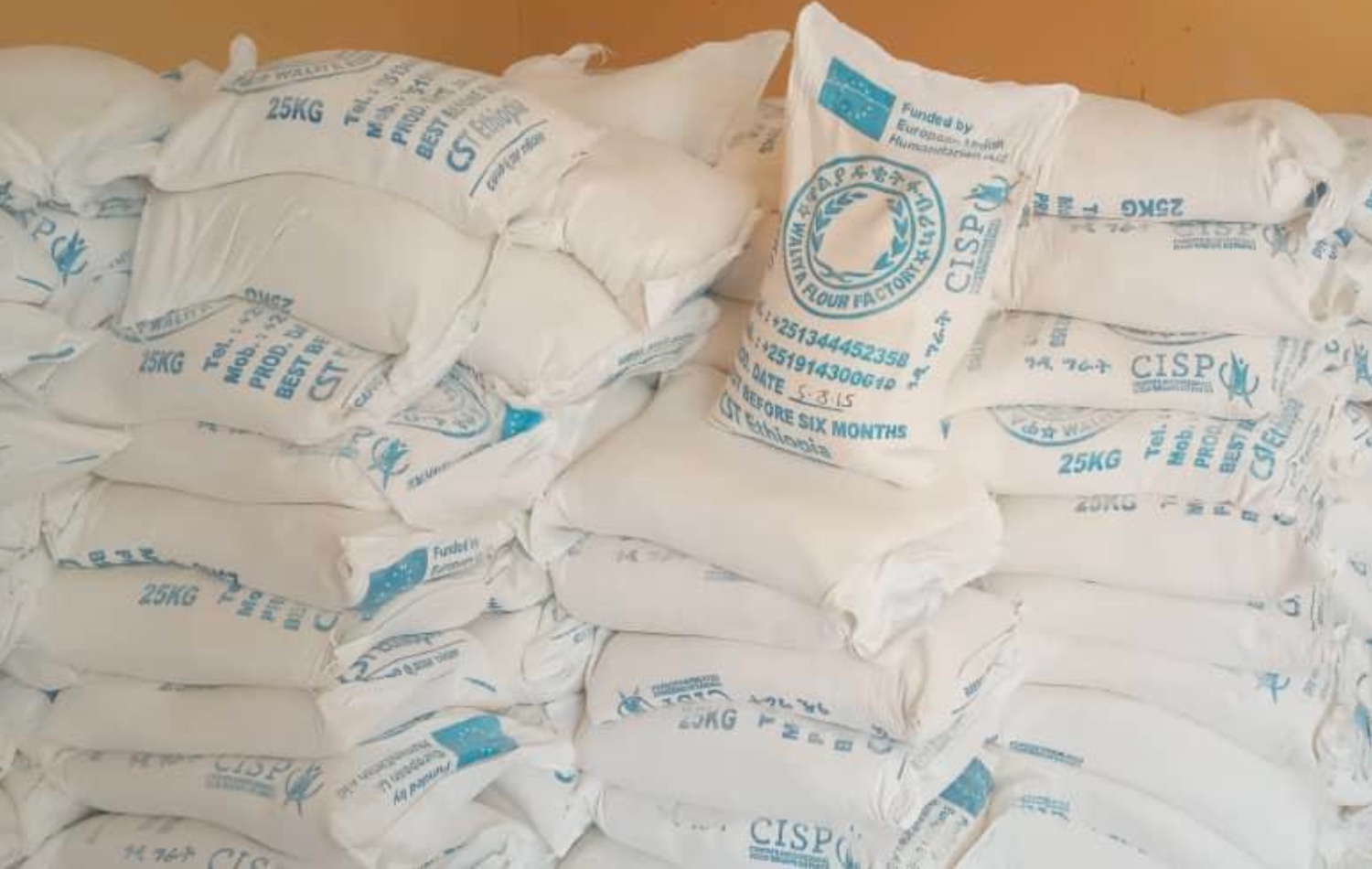
Through cash provision, the project supports the food needs of the displaced individuals who, due to the conflict, are affected by severe food insecurity.
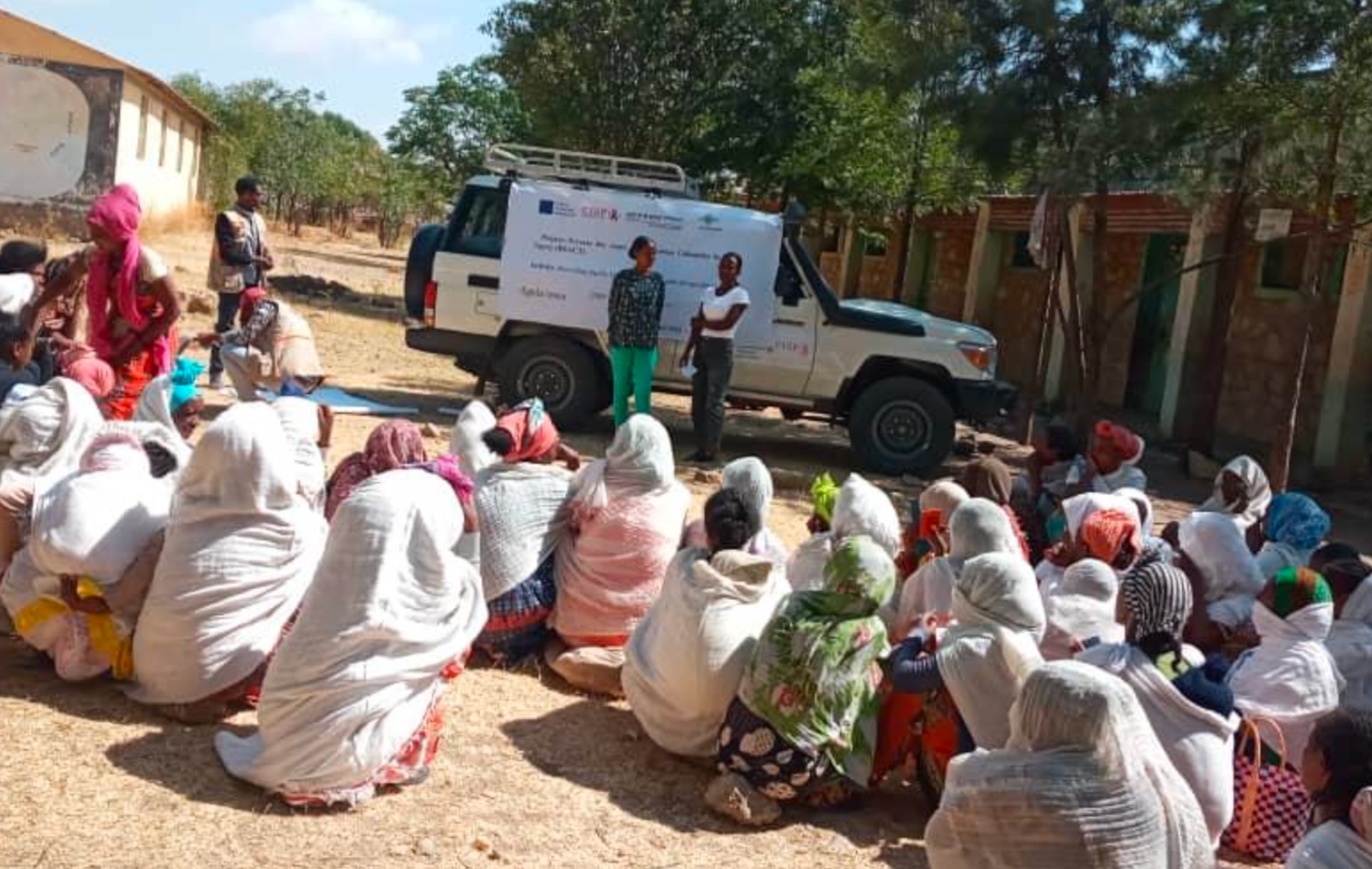
The WASH intervention promotes access to clean water and improves hygiene practices in areas affected by a critical water shortage.
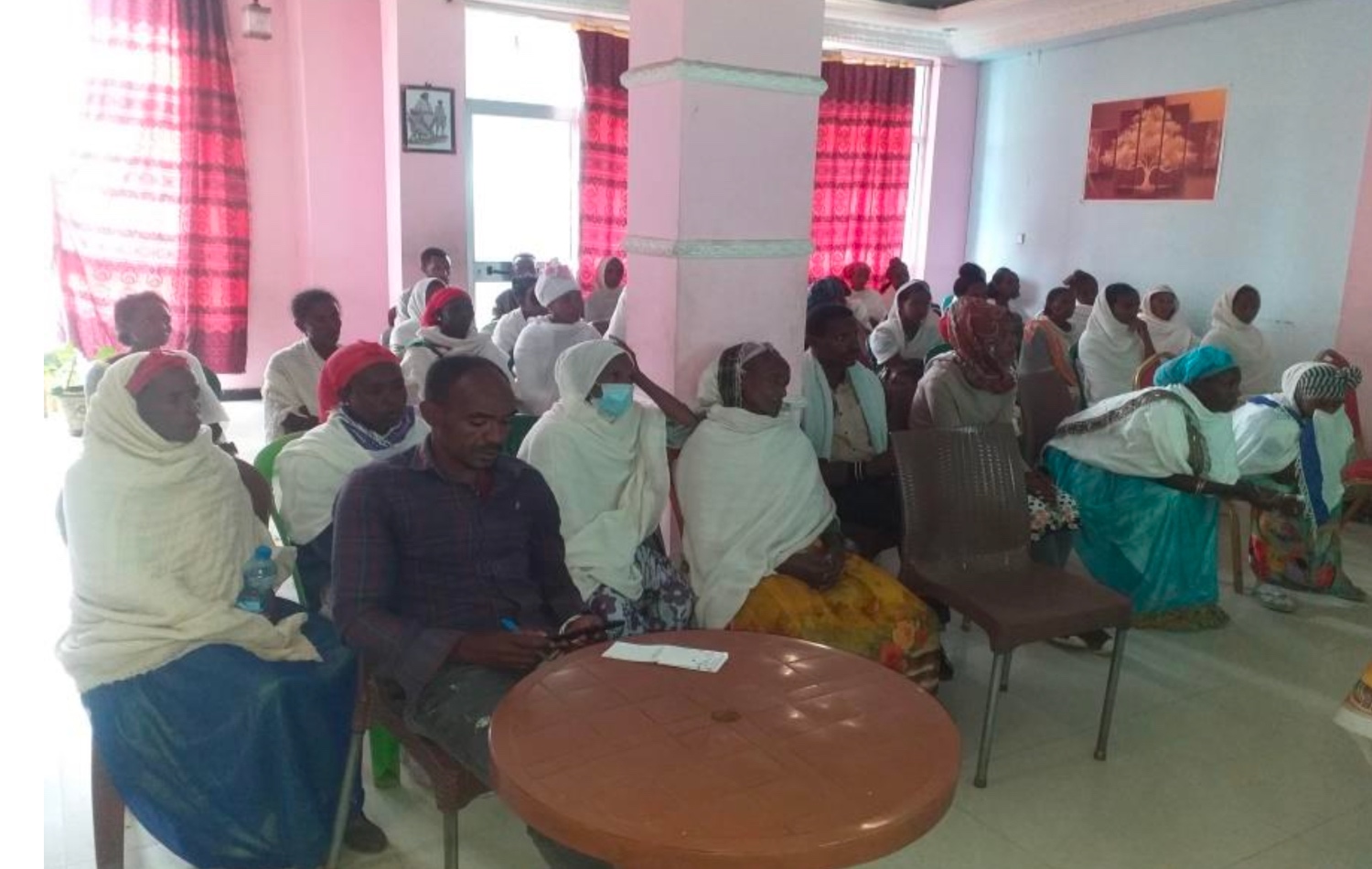
Protection, with a focus on women and children, addresses individuals who have experienced trauma and gender-based violence due to the conflict, providing them with targeted assistance and services.
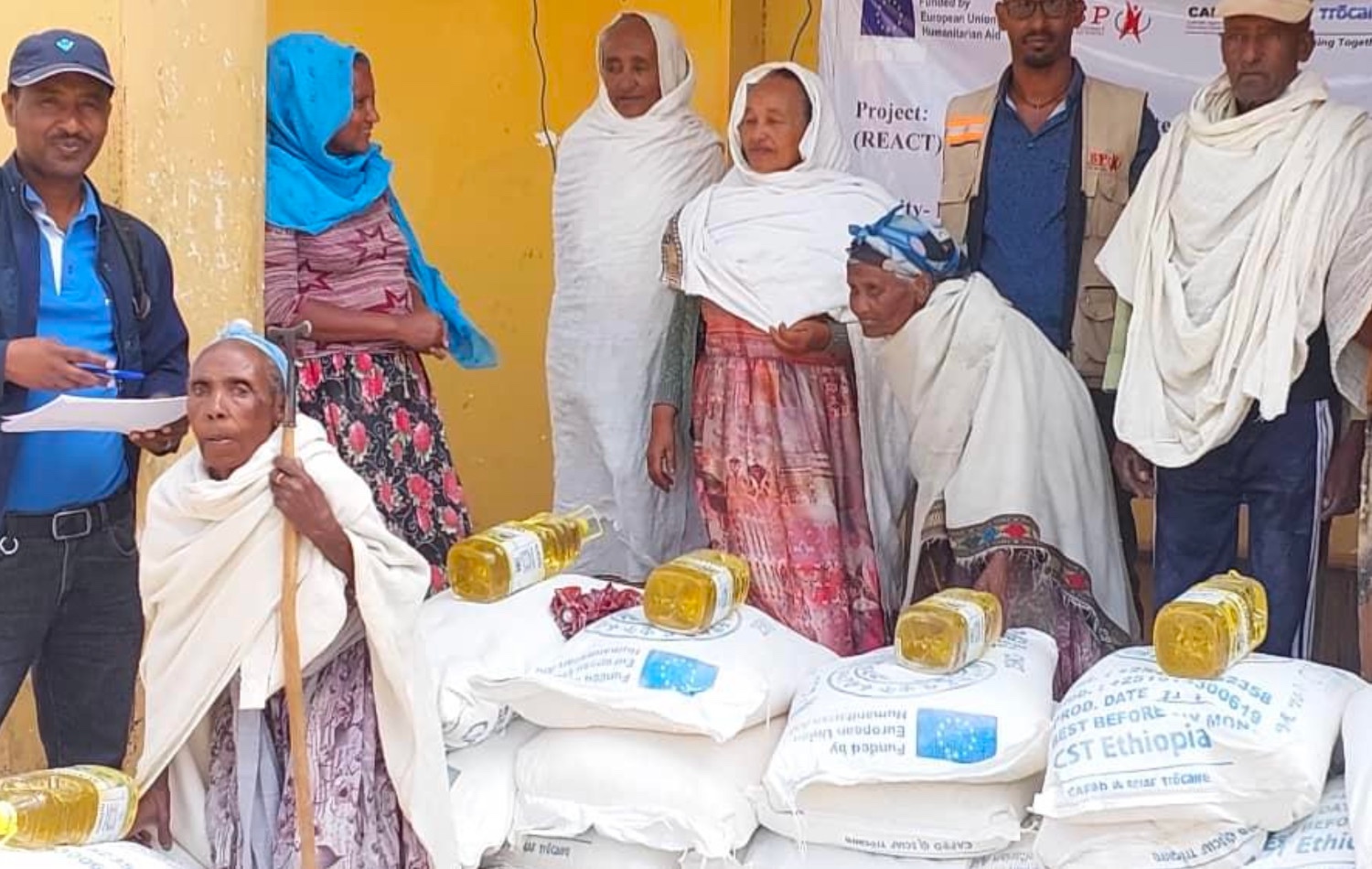
The distribution of Non-Food Items supports the most vulnerable internally displaced persons, especially those who have lost family members.
During the implementation period, the intervention was severely affected by a crisis related to the outbreak of the war in Tigray, which required significant modifications to the intervention, reinforcing the emergency approach of the planned activities, in coordination with ECHO – the European Union Humanitarian Aid – the donor.
Provide a lifesaving multisectoral emergency response to the population affected by the conflict in the Tigray region (Ethiopia).
The project successfully assisted 64,453 people, exceeding the initial projections for the implementation period.
This assistance has been provided through a comprehensive and multisectoral approach. Food insecurity among internally displaced persons and host communities has been alleviated through cash and food distributions. WASH interventions have been implemented to improve access to clean water by restoring water sources and distributing the necessary chemicals for water treatment. In total, 6,300 beneficiaries received food assistance, 34,289 benefited from WASH interventions, 3,920 received essential non-food items, and 19,944 people were assisted through protection measures.
REACT played a crucial role in mitigating the risks associated with the conflict and addressing the primary needs of the affected population, contributing to the protection of the most vulnerable in a dramatic moment for the population.








CISP - Sviluppo dei Popoli ETS
FONDAZIONE DI PARTECIPAZIONE
Via Germanico 198 00192 Rome Italy
Tel: +39 06 321 54 98
Fax: +39 06 321 61 63
Email: cisp@cisp-ngo.org
Iscrizione al RUNTS REP. N. 160551
C.F. 97050280581