Skip link

Pro-PAZ

Culture for the promotion of Peace, Reconciliation and Social Cohesion

Project's duration

Start date

December 2022

End date

December 2025
Countries
  • Mozambique
Beneficiaries
  • Artists
  • Cultural associations
  • Teachers
  • Women
  • Educators
  • Civil society organisations
  • Students
  • Victims of conflict
Share
Donor

Funded by

European Union
eu_flag.jpg

Budget

€ 3.5 M
Project logo
propaz-logotipo-e-identidade-visual-final-22-1.jpg
SDGs
SDG 5: Gender equality
SDG 16: Peace, justice and strong institution
Partners

IVERCA – Cultura Turismo e Meio Ambiente
IMD – Instituto para Democracia Multipartidária
LeMuSiCa – Levante-se Mulher e Siga o Seu Caminho

Social

Description

The Pro-Paz project is realized in the framework of the current Peace and National Reconciliation process in Mozambique, which began with the Maputo Agreement of August 6, 2019. This was the third peace agreement after the 1992 and 2014 agreements, and an historic, crucial moment for the end of hostilities between FRELIMO (Liberation Front of Mozambique) and RENAMO (Mozambican National Resistance).

The signing of peace agreements must be followed by concrete actions to build lasting peace and support national reconciliation. Mistrust and internal divisions at community level must be replaced by peaceful coexistence. It is necessary to consider the impact of violence on communities, to contribute to the processes of individual and collective elaboration of the traumas experienced. This requires interventions at both national and community levels, with the relevant participation of civil society, religious organizations and the communities themselves affected by the conflicts.

ProPaz is a project implemented by CISP in partnership with 3 Mozambican Organizations: IMD – Institute for Multiparty Democracy, key actor of civil society within the peace and reconciliation process, IVERCA, committed for years in the use of art and culture for the promotion of inclusive citizenship, and LeMuSiCa, grassroots organization made up of women, active in the fight against gender-based violence and the promotion of women’s and children’s rights.

The ProPaz project has three key components: 

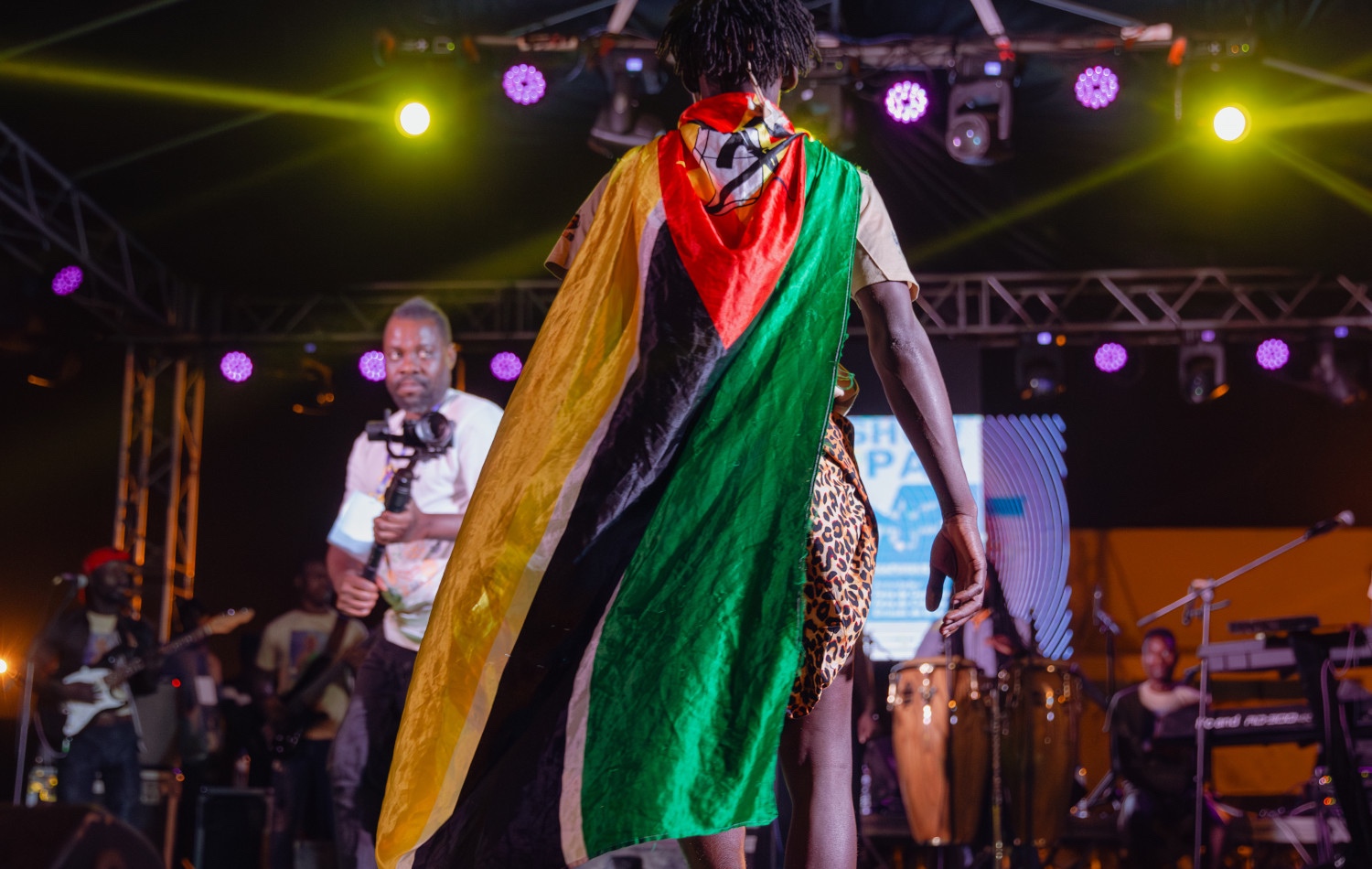
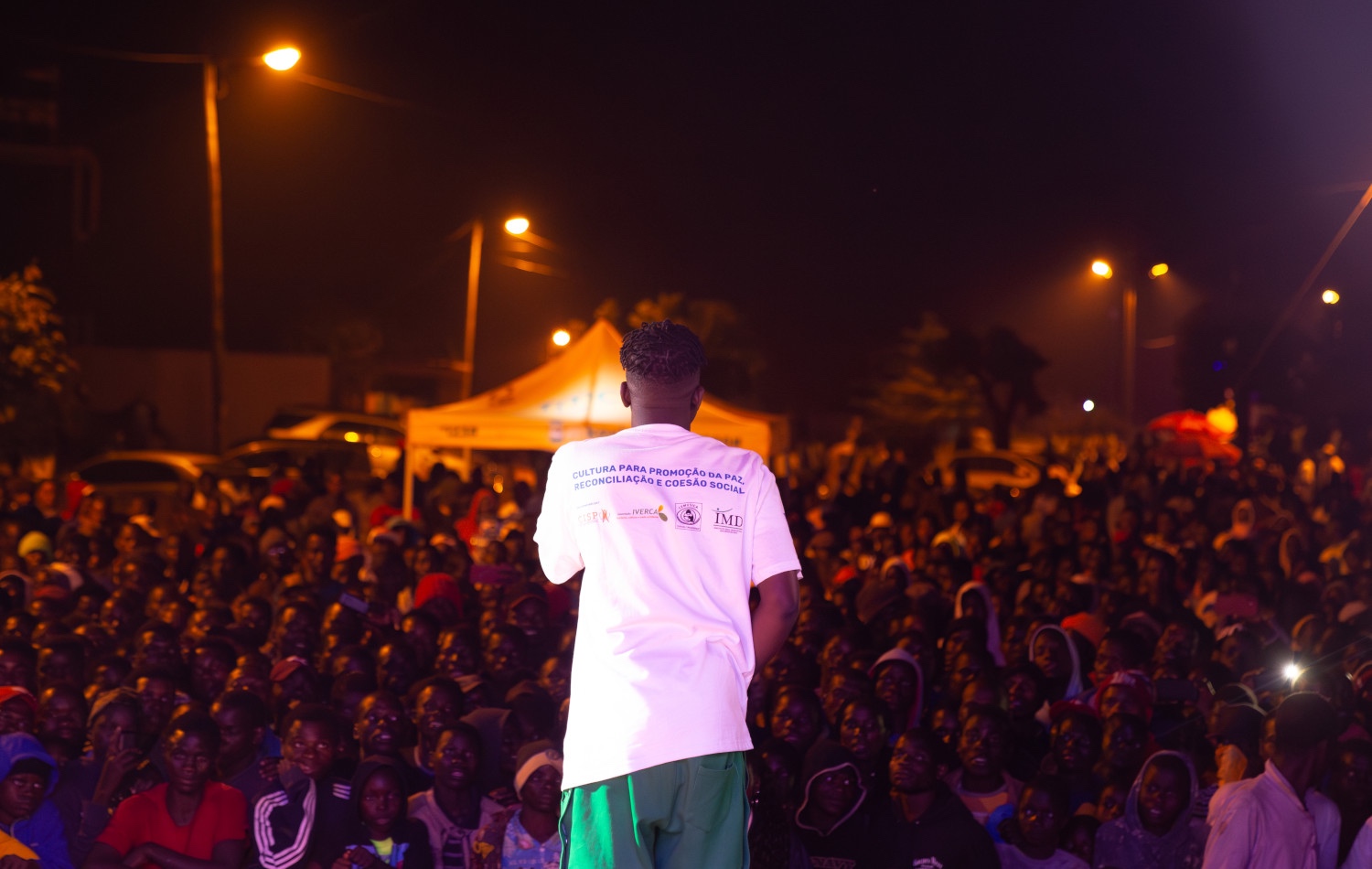
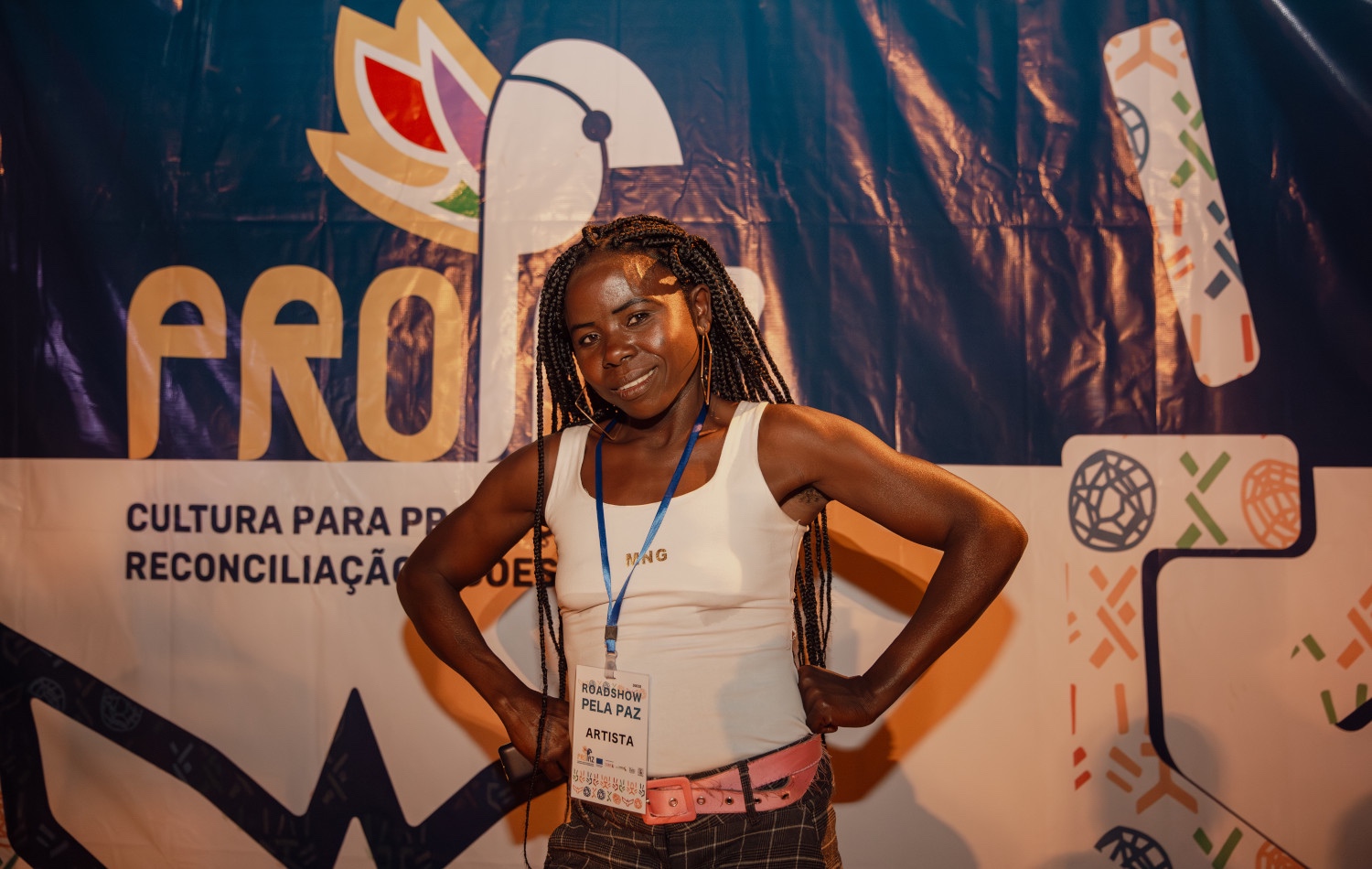
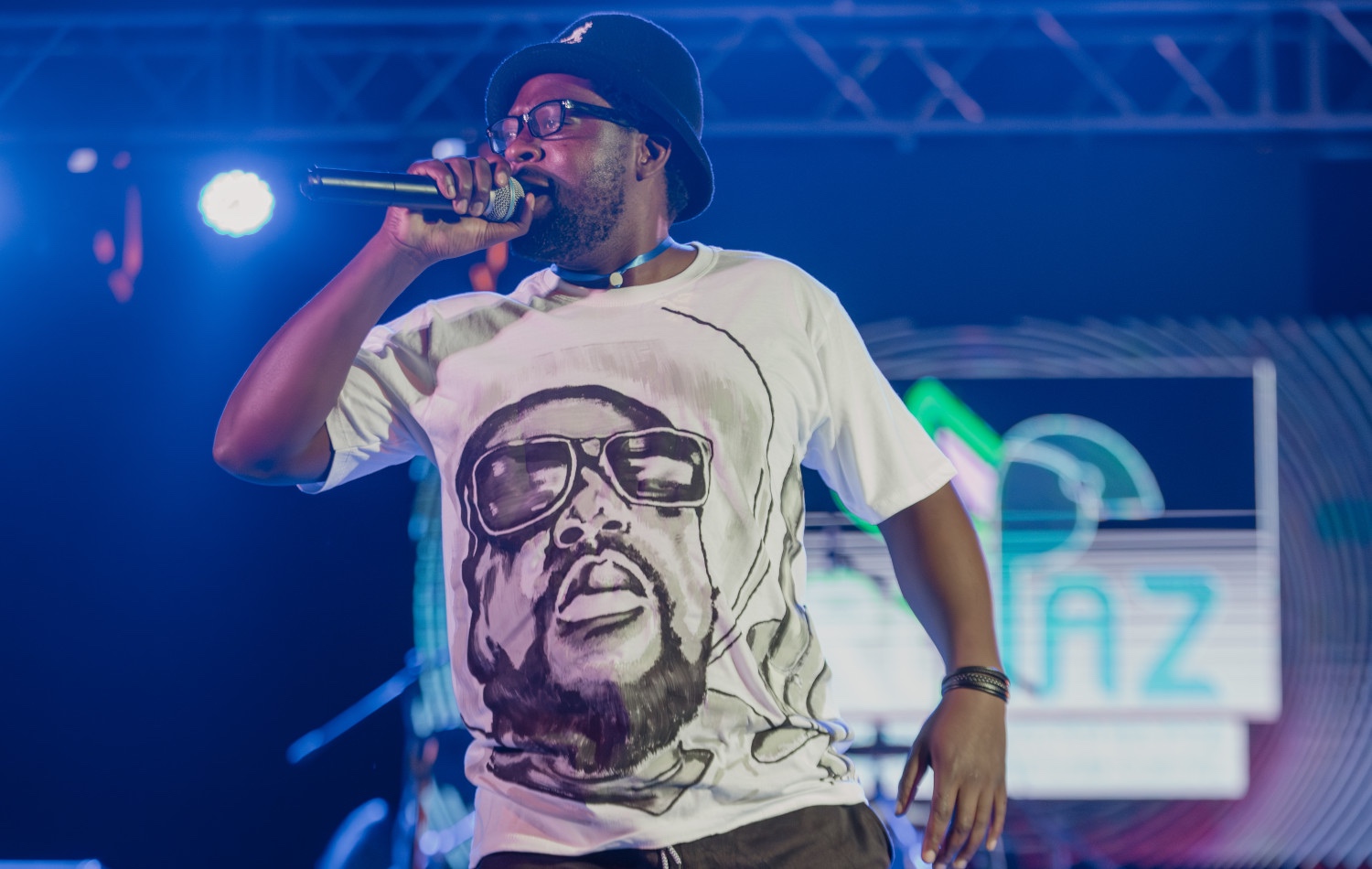
  1. Promotion of peace, tolerance and social cohesion through art and culture. The project works both at national and community level, supporting and disseminating cultural and artistic productions for peace and actions aimed at rebuilding an adequate level of trust between individuals and groups who have remained in positions of hostility for a long time. Artistic and cultural productions, artistic residencies, music, documentaries, roadshows, festivals, are an opportunity to spread messages of peace and reconciliation, reflect on the conflict and its consequences and on the concrete possibilities of building a peaceful society.
  2. Creation of spaces for dialogue and safe and inclusive places. The project works with civil society organizations to implement conflict prevention and transformation initiatives, Art for Social Change activities, Community-led Dialogues, favoring communities in the central area of ​​the country that welcome ex-combatants, men and women. The project also supports vulnerable women, including ex-combatants, in paths of social and economic emancipation and the prevention and fight against gender-based violence.
  3. Support to Civil Society Organizations, so that they may have a more active and participatory role in the peace process. The project supports existing civil society organizations working on the theme of peace and reconciliation, facilitates meetings, networking and exchanges. The project also promotes the formation of associations that bring together ex-combatants and host communities with the aim of working together to build a sustainable and lasting peace.

Goals

Contribute to the consolidation of Peace in Mozambique, promoting a National Reconciliation initiative based on cultural activities and the active participation of civil society, the most vulnerable groups and the communities most affected by the conflict.

Activities

  • Realize a program of cultural and artistic initiatives at national and provincial level to promote dialogue, social inclusion, peace and national reconciliation. 
  • Carry out cultural, artistic and sporting initiatives in 20 schools in the country, to educate students in tolerance and peaceful coexistence. 
  • Promote civil society initiatives, as spaces to promote dialogue and conflict prevention and transformation activities. 
  • Promote Community-led Dialogue groups to challenge and transform harmful Social Norms related to inequality and gender-based violence (GBV). 
  • Build and strengthen safe spaces where girls and women can meet, reflect, question gender roles related to violence and war and be supported in psychosocial and economic empowerment processes. 
  • Create, register and form at least 4 associations in the communities hosting ex-combatants and war victims, with the aim of facilitating their rapid integration.
  • Strengthen 5 civil society platforms and 60 civil society organizations in conflict management, peace building, violence prevention and participation in the peace and reconciliation process at national and local level. 
  • Establish a National Forum for Peace and Reconciliation, as an independent platform for dialogue and action, bringing together all relevant stakeholders.

Output and results

  1. Establish a coordinated approach and a common methodology for a national reconciliation initiative, to be implemented through cultural and sports activities.
  2. Create safe and inclusive spaces for community dialogue on reconciliation.
  3. Support civil society organizations and platforms active in the field of peace to better represent their members and engage in conflict prevention and transformation activities.

Gallery

Video

Countries

Project voices

Fostering a Culture of Peace: Peace Clubs Launch in Mozambique

6 July 2026
We guard our braids, our nightly songs,for heritage must be protected in everyone’s life;in the rhythm of the batuque and the dancing step,the...
1---laura-carraro---header-1.jpg

Five Questions for Laura Carraro: Turning Challenges into Opportunities

22 May 2025
  Laura Carraro, Director of the Africa Geographic Area, is answering #5questions today as we continue our journey to get to know the individuals who ...
podcast-mozambico_header_1500x950-1.jpg

Voices of Peace from Mozambique: a podcast that unites communities

14 October 2024
In a small imaginary village in Mozambique, the wounds of war begin to heal thanks to the power of words.“Stories of Mandazi” is a 8-episodes podcast ...
pro_paz---news---photos---header-1.jpg

Ex-combatant women in Mozambique overcome indifference and marginalization

17 July 2024
As DDR* women, we had no other sources of income and could only sit at home until you invited us to this training. I learned what a business is and t...
propaz-roadshow_cover-1.jpg

ROADSHOW – Art and Culture for Peace and Reconciliation in Mozambique

12 October 2023
Between September 8 and 9, 2023, the association IVERCA  and CISP launched the first Roadshow for peace and social reconciliation in Mozambique, withi...
Headquarter

CISP - Sviluppo dei Popoli ETS
FONDAZIONE DI PARTECIPAZIONE

Via Germanico 198 
00192 Rome Italy

Tel: +39 06 321 54 98

Fax: +39 06 321 61 63

Email: cisp@cisp-ngo.org 

Iscrizione al RUNTS REP. N. 160551

C.F. 97050280581

The CISP adheres to
Newsletter
Find out how to sign up
for CISP newsletters
© 2026. All rights reserved.