Agrocadenas
Public-Private Alliances for Peacebuilding through the strengthening of marketing and priority services for Colombian agriculture
...
CISP has been operating in Colombia since 1983, establishing itself as a key benchmark organization in the fields of humanitarian aid and sustainable development.
Over more than four decades, the organization has built a solid and diversified territorial presence, with two permanent offices and multiple operational sites deployed according to project needs, ensuring close proximity to communities and continuous technical support. CISP counts on a highly specialized team with proven experience across various intervention sectors, supported by a pool of national and international experts who can be activated according to the specific requirements of each action. All operations are developed in coordination with the Regional Direction for Latin America and the Caribbean, ensuring institutional coherence and technical quality.
From a managerial standpoint, CISP applies a Management System aligned with international standards of transparency, accountability, and risk management — including financial management. The technical and economic management of projects is carried out through the GONG ERP system, a platform that guarantees complete traceability and comprehensive control. Furthermore, the Innovation Office for Latin America and the Caribbean, located in Medellín, develops technological tools, monitoring methodologies, and virtual training services, driving operational efficiency and institutional innovation.
CISP offers comprehensive responses to social, humanitarian, and territorial emergencies stemming from armed conflict, migration, and structural exclusion. Its actions prioritize the protection of life, human dignity, and equitable access to essential services such as water, health, education, and housing, alongside psychosocial recovery for affected communities. CISP’s differential approach ensures that the specific needs of women, children, youth, older adults, and persons with disabilities are addressed, fostering safe, inclusive, and resilient environments.
Education represents a strategic pillar of intervention for CISP. The organization promotes transformative and inclusive education aimed at sustainable human development. In recent years, it has strengthened its expertise in developing socio-emotional skills, fostering empathy, youth leadership, peaceful conflict resolution, and school coexistence. These capacities are integrated into both formal educational settings and community spaces, contributing to the reconstruction of the social fabric and the prevention of violence in rural and border contexts. CISP works in close coordination with the Ministry of National Education, ICBF, the Victims Unit (UARIV), and various education secretariats, strengthening education policies centered on resilience and peace.
CISP drives the creation of sustainable economic opportunities, promoting the social and solidarity economy as a pathway toward well-being and social cohesion. Actions focus on technical and vocational training, the formalization of local enterprises, and the strengthening of peasant organizations, cooperatives, and community associations. The approach combines economic and environmental sustainability, with a special focus on the active participation of women and youth. In partnership with international cooperation agencies, initiatives are implemented to enhance food security, employability, and territorial development, contributing to socioeconomic stabilization in areas affected by violence and poverty.
CISP has extensive experience in reintegration, reconciliation, and territorial peacebuilding processes. Through territorial agreements for development and coexistence, it promotes community and youth empowerment, strengthening local capacities for collective decision-making, participatory resource management, and peaceful conflict resolution. These agreements are recognized as effective tools for social dialogue, participatory planning, and trust-building among communities, institutions, and productive actors. CISP actively contributes to the local implementation of the Peace Agreement, in partnership with the European Trust Fund for Peace, AICS, SDC, and various UN agencies such as IOM, UNHCR, and UNICEF.
CISP supports Colombian state institutions in formulating and implementing inclusive and sustainable public policies. At the national level, it maintains partnerships with key ministries — including Education, Interior, Agriculture, and Equality and Equity — to consolidate joint strategies for rural development, civic coexistence, and social equity. At the regional and local levels, it collaborates with departmental and municipal governments in participatory planning processes, administrative capacity building, and the promotion of community leadership. These synergies align local priorities with national goals for peace, equity, and sustainability.
Gender mainstreaming is a cross-cutting principle across all CISP actions. The organization promotes women’s economic and political autonomy, their participation in leadership and decision-making spaces, and the prevention of gender-based violence. Strengthening women’s networks and creating safe, inclusive environments are essential pillars for building equitable and sustainable communities.
CISP strives for a more just and inclusive Colombia, encouraging the active participation of migrant, displaced, returnee, indigenous, and Afro-descendant populations, as well as persons with disabilities. Grounded in a human rights framework, the organization promotes equitable access to basic services, non-discrimination, and the social and economic integration of all population groups. Every intervention seeks to enhance community cohesion and ensure that no one is left behind.
CISP’s work in Colombia is grounded in a robust network of international cooperation and institutional partnerships, which enhance its operational impact and long-term sustainability.
Medellín: Calle 49 # 68-13 piso 6 Suramericana. – Teléfono: +57 604 6043404.
Bogotá: Carrera 16 # 28B – 38 – Barrio Teusaquillo. – Teléfono: +57 601 9181318
cisp.colombia@cisp-ngo.org
Country Representative: Sandra Milena López.


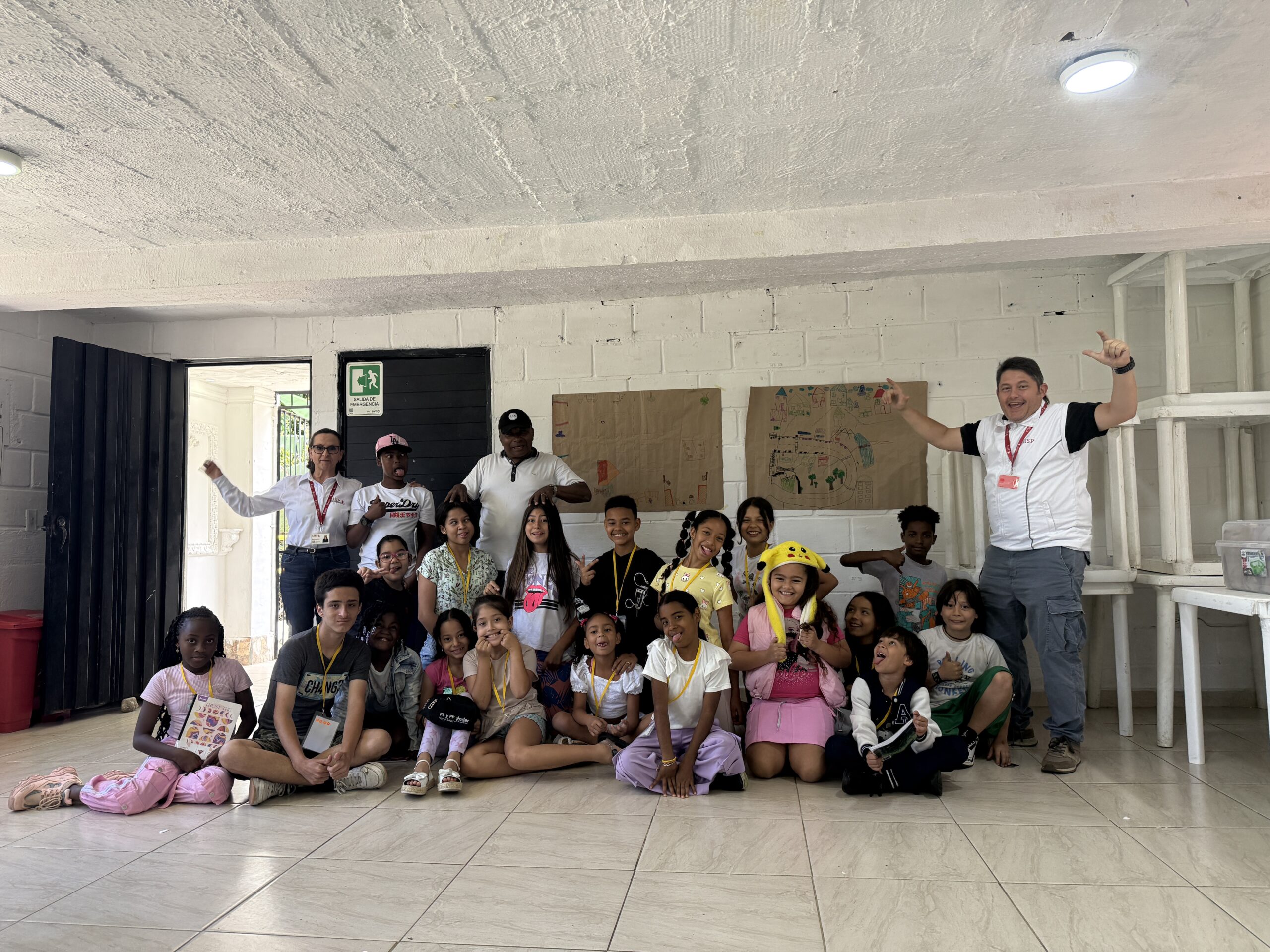


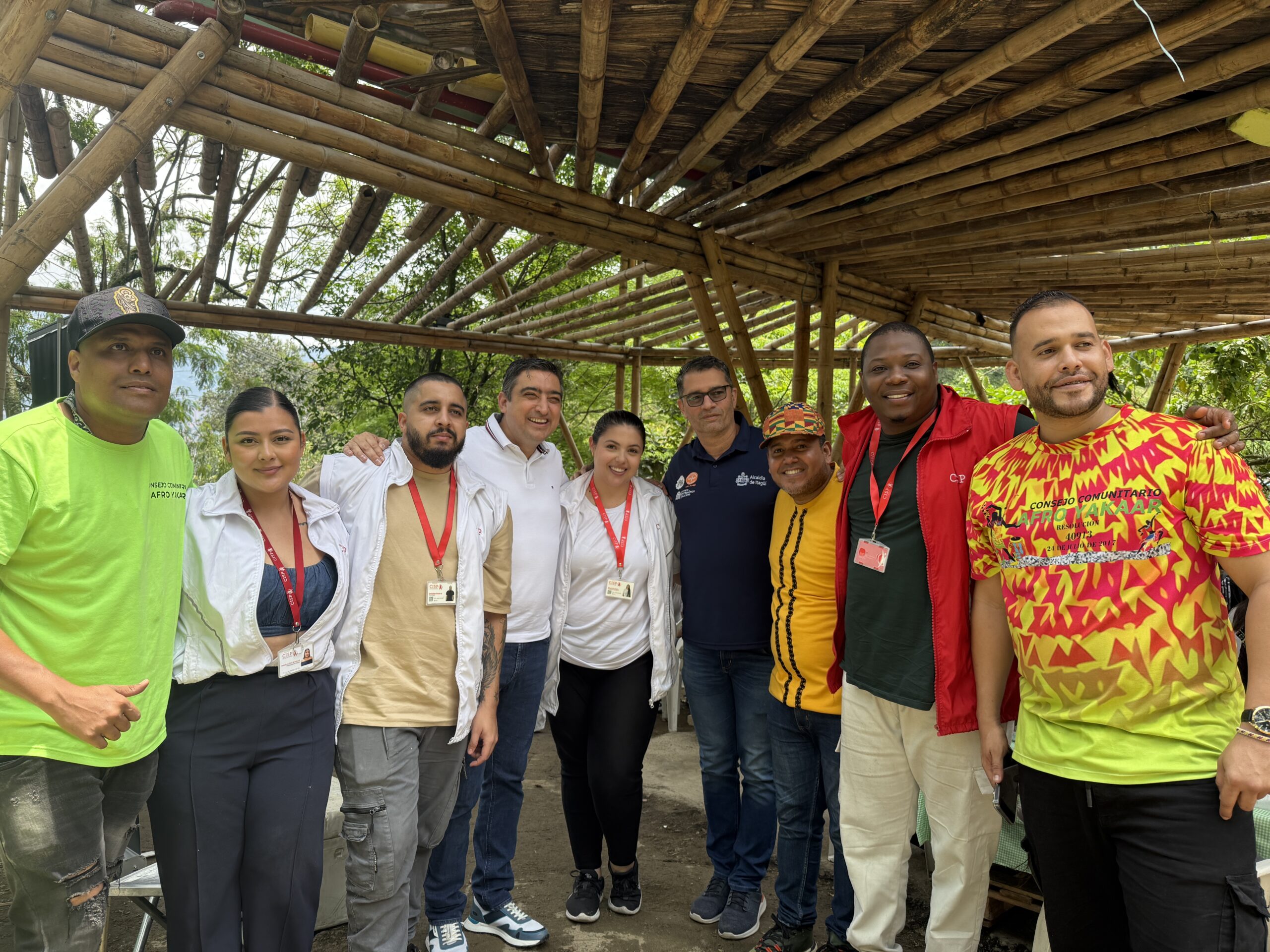


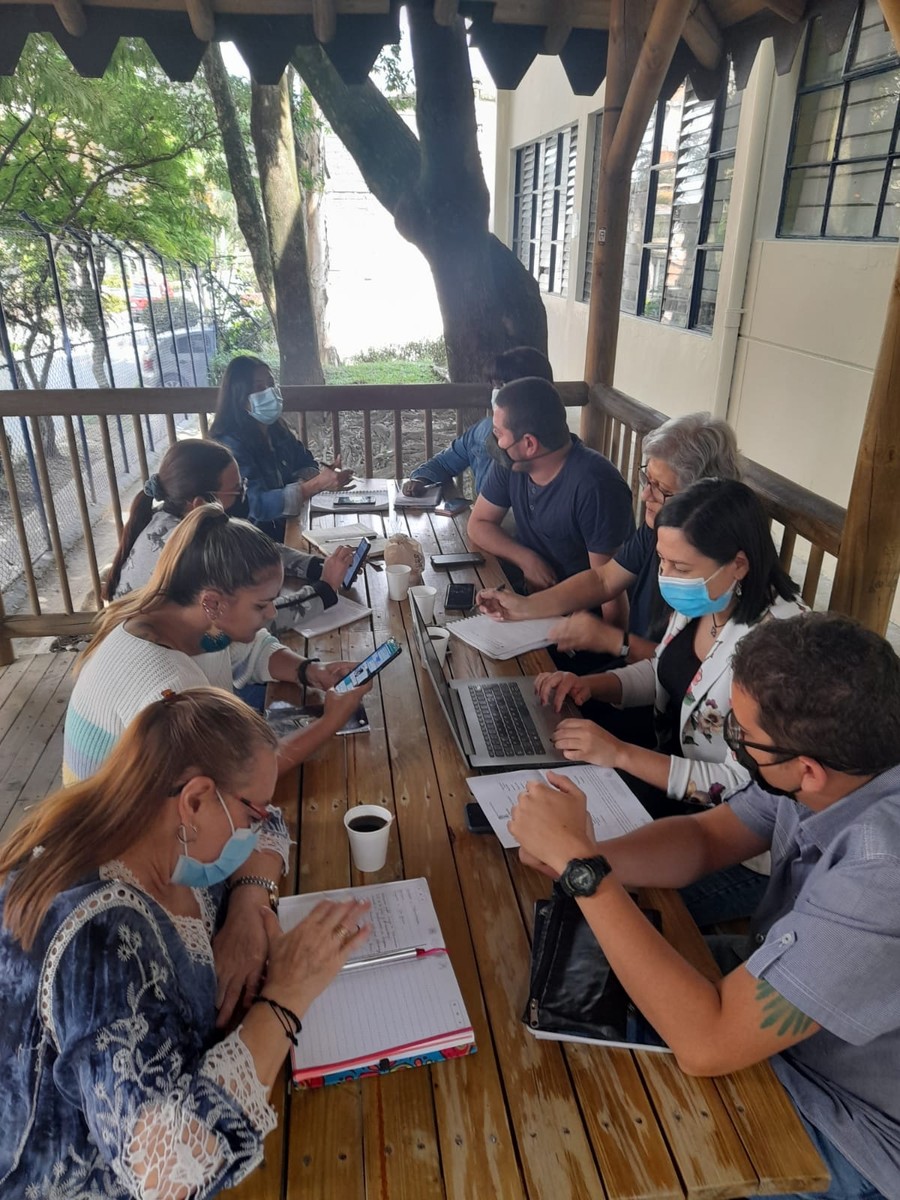

for the exercise of human rights, non-stigmatisation and the culture of care and self-care

for economic and social reintegration in the framework of the peace agreement


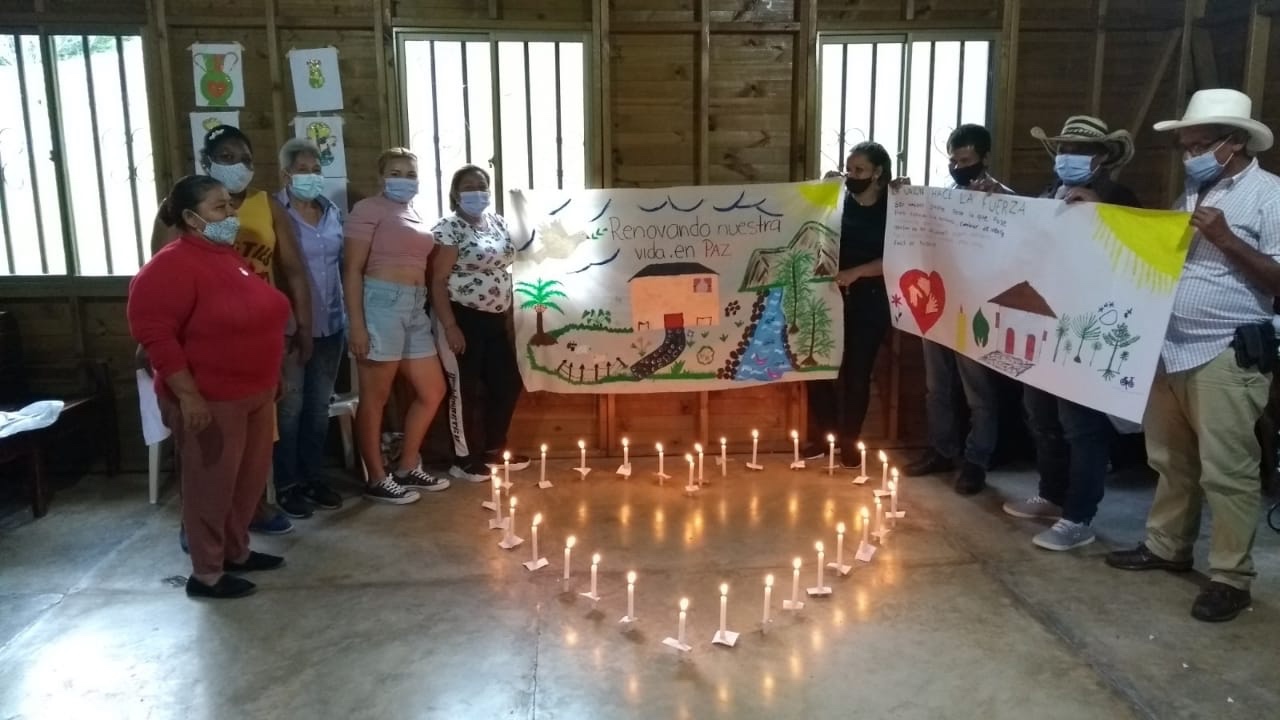
Global assistance to victims of armed conflict in Colombia

Access to rights, psychosocial care, legal guidance, emergency management


Sustainable territorial development strategy for economic reactivation and social integration in Mapiripán Municipality, Meta Department
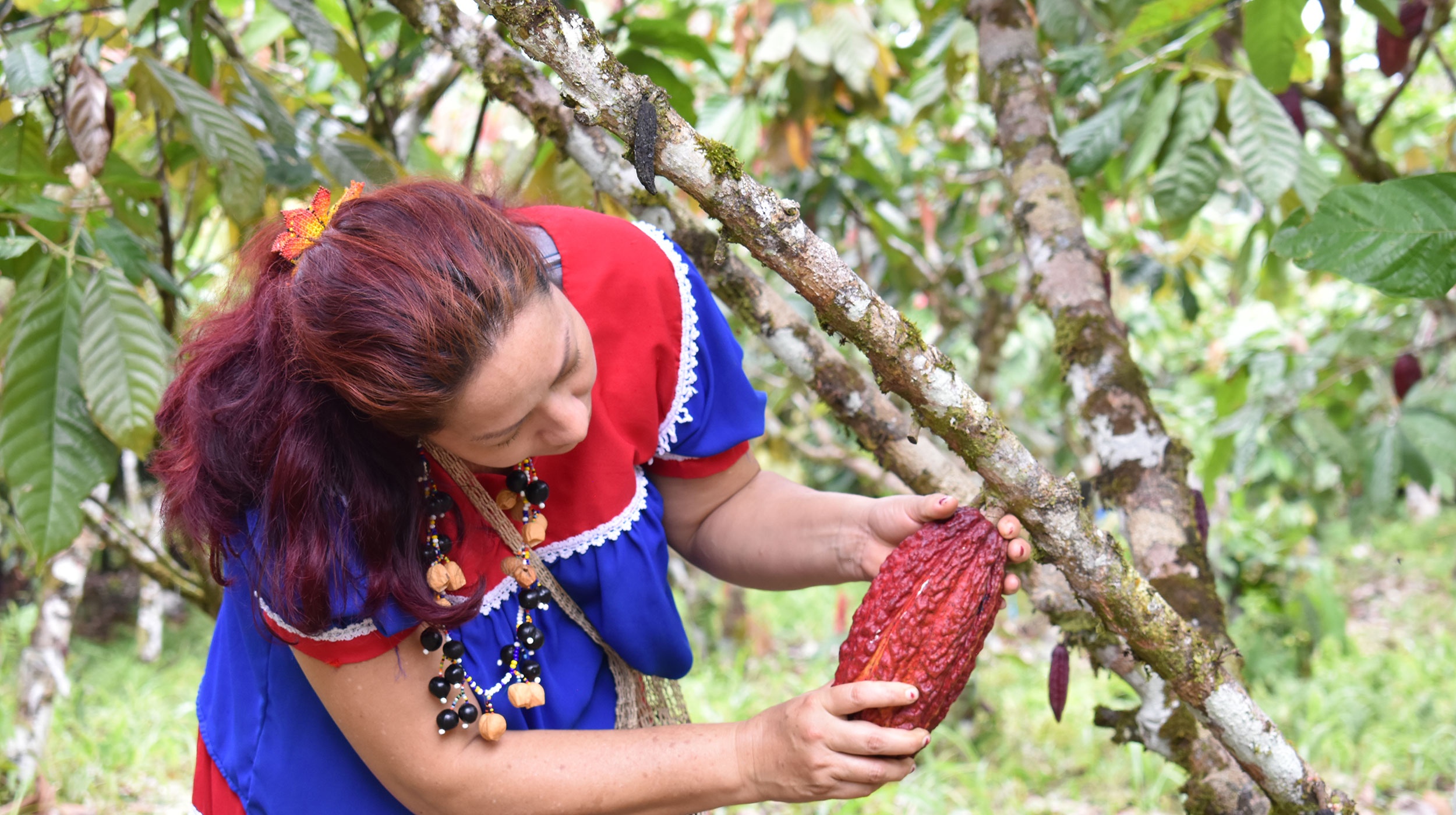
Peace is the Only Hope for Economic and Social Development

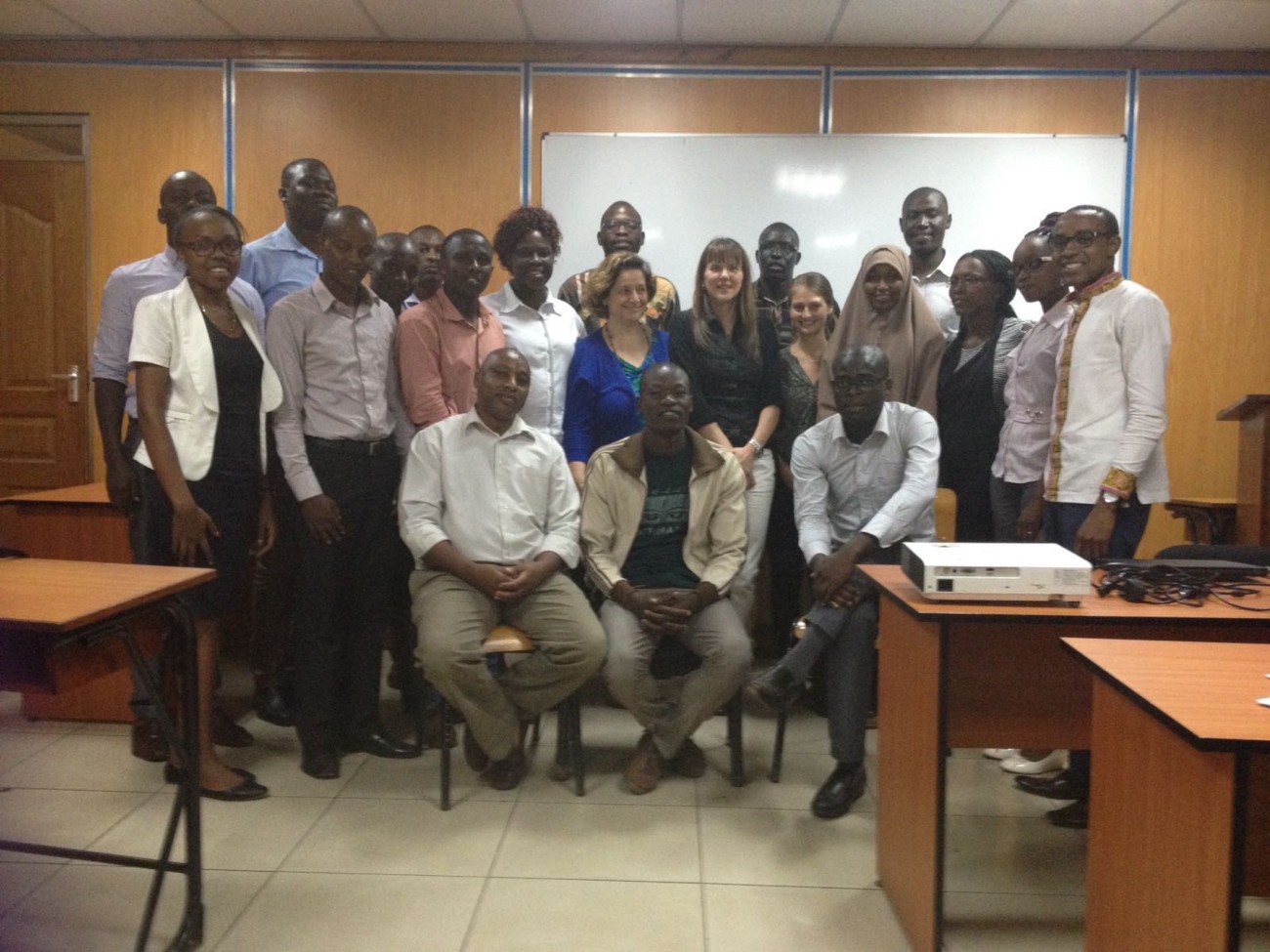
TOGETHER – To Get Higher Education & Research

Multi-institutional programme in cooperation and human development
CISP - Sviluppo dei Popoli ETS
FONDAZIONE DI PARTECIPAZIONE
Via Germanico 198 00192 Rome Italy
Tel: +39 06 321 54 98
Fax: +39 06 321 61 63
Email: cisp@cisp-ngo.org
Iscrizione al RUNTS REP. N. 160551
C.F. 97050280581